
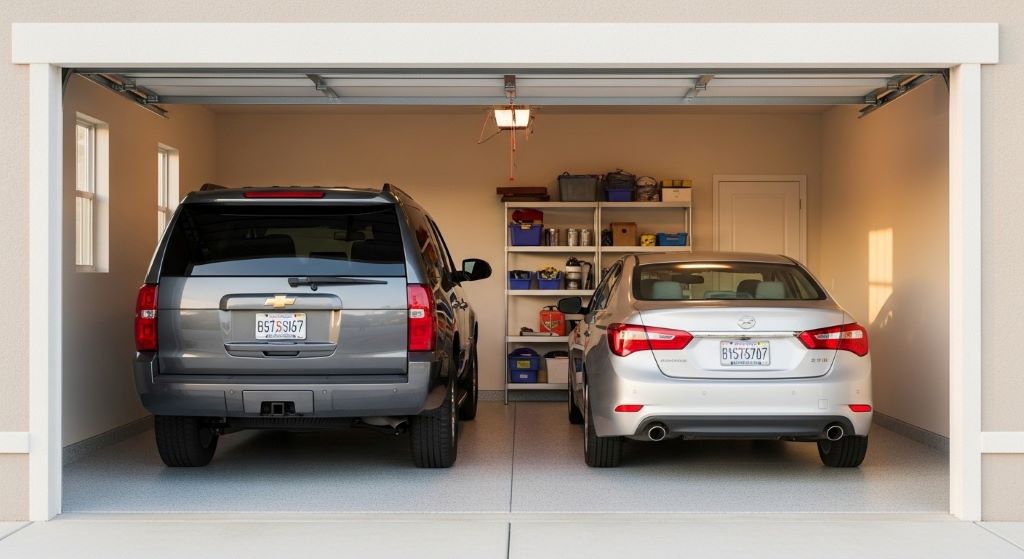
Selecting the right garage door width impacts daily convenience and home value significantly. Family vehicles vary dramatically in size, from compact sedans to full-size SUVs and trucks. Therefore, understanding standard measurements and your specific needs prevents costly mistakes during construction or renovation.
This comprehensive guide helps homeowners choose optimal garage door widths for their family vehicles. We’ll explore standard dimensions, vehicle requirements, and future-proofing strategies to ensure your garage accommodates current and upcoming transportation needs.
Understanding Standard Garage Door Width Measurements
Single-car garage doors typically measure 8 to 9 feet wide. This represents the minimum width for basic vehicle access. However, 9-foot doors provide noticeably easier entry and exit for modern vehicles.
Double-car garage doors commonly range from 12 to 16 feet wide. The 16-foot width has become the preferred standard for new construction. Additionally, some builders offer 14-foot options as a middle-ground solution.
Height measurements matter equally to width considerations. Standard garage doors measure 7 feet tall, though 8-foot heights accommodate larger vehicles better. Trucks and SUVs with roof racks often require taller openings for comfortable clearance.
Custom sizes address unique situations but cost more than standard dimensions. Manufacturers produce doors in 1-foot increments beyond standard sizes. Therefore, planning carefully around standard measurements saves money without sacrificing functionality.
Measuring Your Family Vehicles Properly
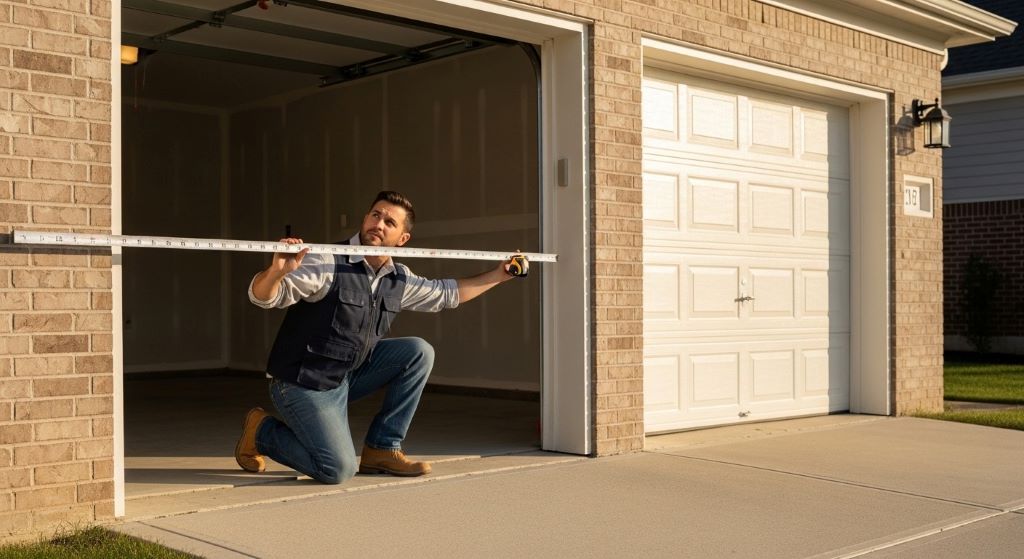
Accurate vehicle measurements form the foundation of proper garage door selection. Measure your widest vehicle from mirror to mirror, not just body width. Side mirrors extend significantly beyond vehicle bodies on modern cars.
Add clearance space to raw vehicle measurements for practical daily use. Minimum clearance requires 1 foot on each side of the vehicle. However, 18 to 24 inches per side allows comfortable door opening and passenger exit.
Consider all family vehicles, including those purchased recently or planned soon. Growing families often upgrade to larger vehicles within years of home construction. Moreover, teenagers eventually need vehicles, impacting garage capacity requirements.
Measure vehicles in loaded configurations with bikes, cargo carriers, or roof racks installed. These accessories add considerable width and height beyond base measurements. Additionally, winter tire chains increase effective vehicle width in cold climates.
Calculating Required Door Width for Different Vehicle Types
Compact cars and sedans fit comfortably through 9-foot single doors with adequate clearance. These vehicles typically measure 6 to 7 feet wide including mirrors. Therefore, standard single doors provide sufficient space for easy access.
Midsize SUVs and crossovers require minimum 9-foot doors but function better with 10-foot openings. These popular family vehicles measure 7 to 7.5 feet wide with mirrors. Additionally, higher seating positions require extra width for door swing clearance.
Full-size pickup trucks and large SUVs need 10-foot minimum door widths for reasonable access. Modern trucks like Ford F-150s and Chevrolet Silverados measure 8 feet wide with mirrors. However, towing mirrors extend width further, requiring additional considerations.
Minivans and passenger vans typically measure 7 to 8 feet wide including mirrors. Standard 9-foot doors accommodate these family haulers adequately. Moreover, sliding side doors reduce required clearance compared to traditional hinged doors.
Choosing Between Single and Double Door Configurations
Single garage doors work for homes with one vehicle or limited garage space. They cost less initially and require simpler installation than double doors. However, single doors limit future flexibility as family transportation needs evolve.
Double doors provide superior versatility for multi-vehicle families. Two separate single doors allow independent access without moving vehicles. This configuration works well when family members maintain different schedules.
Single wide double doors maximize interior garage space for two vehicles. The 16-foot opening accommodates two standard vehicles side-by-side comfortably. Additionally, this configuration costs less than installing two separate single doors.
Consider door operation mechanisms when choosing configurations. Two single doors offer redundancy if one opener fails. However, single wide doors create unobstructed openings useful for moving large items into garages.
According to This Old House, the most common garage door size for new homes is 16 feet wide by 7 feet tall for double-car garages, providing adequate space for modern vehicles.
Accounting for Parking and Storage Space Needs
Interior garage dimensions exceed door width significantly for functional use. A 20-foot-wide garage with 16-foot door provides 2 feet of wall space per side. This allows shelving installation while maintaining vehicle access.
Depth measurements impact usable garage space as much as width. Standard garages measure 20 to 24 feet deep for parking plus storage. However, 24-foot depth accommodates vehicles comfortably while allowing workspace behind them.
Plan storage locations before finalizing door width decisions. Wall-mounted storage systems, workbenches, and tool cabinets require dedicated space. Therefore, wider garages with proportionally sized doors prevent overcrowding.
Consider seasonal storage requirements like lawn equipment, sports gear, and holiday decorations. These items accumulate over years of homeownership. Additionally, garage gyms and workshop spaces increasingly popular among homeowners require substantial square footage.
Planning for Future Vehicle Purchases
Vehicle sizes have increased substantially over recent decades. Today’s midsize SUVs match 1990s full-size models in dimensions. Therefore, planning for larger future vehicles prevents renovation expenses later.
Electric vehicles require charging equipment installation affecting garage layout. Wall-mounted chargers need clearance space beside parked vehicles. Moreover, EV adoption rates suggest most families will own electric vehicles within decades.
Teenage drivers eventually need vehicles, potentially doubling family transportation count. Garages initially sized for two vehicles may require three-vehicle capacity later. However, planning adequate width initially costs less than expanding garages later.
Classic or collector vehicles often join families as recreational purchases. These vehicles require careful storage protecting their value. Additionally, collector cars sometimes exceed modern vehicle dimensions, requiring extra clearance.
Understanding Local Building Codes and Regulations
Building codes establish minimum garage door dimensions in many jurisdictions. These requirements ensure adequate vehicle access and fire safety compliance. Therefore, verify local regulations before finalizing garage plans with contractors.
Homeowner association rules sometimes dictate specific garage door styles and dimensions. Review HOA covenants carefully during planning stages. Additionally, some associations require architectural approval for garage modifications.
Setback requirements affect garage placement relative to property lines and streets. These regulations impact available space for wider garage doors. Moreover, corner lots often face additional restrictions on garage door orientation.
Permit requirements apply to most garage door replacements and all new installations. Working without proper permits risks fines and complicates future home sales. However, permit processes ensure installations meet safety standards protecting homeowners.
Evaluating Standard Width Options for Two-Car Garages
The 12-foot double door represents absolute minimum width for two vehicles. This dimension provides tight clearance requiring careful parking alignment. However, budget-conscious builders sometimes specify this width for entry-level homes.
A 14-foot door offers improved clearance over 12-foot options without significant cost increases. This width accommodates two compact to midsize vehicles reasonably. Additionally, 14-foot doors work when one parking space serves primarily storage purposes.
The 16-foot double door delivers optimal functionality for most families. Two full-size vehicles park comfortably with adequate clearance between them. Therefore, this dimension has become the de facto standard for quality new construction.
An 18-foot door provides luxury-level spacing for large vehicles or workshop use. This width accommodates trucks and SUVs with comfortable working space. Moreover, wider doors enhance resale value in markets favoring spacious garages.
Considering Non-Standard and Custom Width Solutions
Golf cart storage requires special width considerations beyond traditional vehicles. Standard golf carts measure 4 feet wide but need adequate clearance like automobiles. Therefore, dedicated golf cart garage spaces work best at 6 to 7 feet wide minimum.
RV and boat storage demands significantly wider doors than family vehicles. Recreational vehicles range from 8 to 12 feet wide requiring custom garage solutions. Additionally, height clearances for RVs often exceed standard residential garage capabilities.
Motorcycle and bicycle storage can utilize narrower doors than automobiles. A 6-foot-wide door accommodates motorcycles and bikes comfortably. However, combining motorcycle storage with car parking requires full-width automotive doors.
Tandem parking arrangements allow two vehicles in single-door garages with sufficient depth. This configuration requires 9 to 10-foot doors for comfortable front vehicle access. Moreover, tandem parking works only when vehicle usage patterns permit blocking rear vehicles.
Assessing Resale Value Implications
Garage door width significantly impacts home marketability and resale values. Buyers increasingly expect accommodations for larger modern vehicles. Therefore, undersized garages reduce potential buyer pools and achievable sale prices.
Three-car garages command premium prices in most suburban markets. These spaces typically feature combination configurations like 16-foot and 9-foot doors. Additionally, three-car capacity appeals to growing families and hobby enthusiasts.
Neighborhoods establish garage size norms influencing individual home values. Homes with smaller garages than neighborhood averages sell at discounts. However, oversized garages may not recoup full construction costs in modest neighborhoods.
According to Realtor.com, garages add significant value to homes, with three-car garages particularly attractive to buyers seeking space for vehicles, storage, and hobbies.
Budgeting for Different Door Width Options
Standard-width garage doors cost significantly less than custom dimensions. Nine-foot and 16-foot doors benefit from mass production economies. Therefore, selecting standard sizes reduces both door and installation expenses.
Installation labor increases with door width and weight. Wider doors require heavy-duty springs, reinforced tracks, and stronger openers. Additionally, structural modifications supporting wider openings add construction costs.
Insulated doors cost more initially but provide energy savings and comfort. This consideration matters more for heated or air-conditioned garages. Moreover, insulation reduces exterior noise transmission improving interior home comfort.
Long-term maintenance costs vary minimally across different door widths. Larger doors require more powerful openers consuming slightly more electricity. However, quality doors of any size deliver decades of reliable service with basic maintenance.
Making the Final Width Decision
List all current and anticipated vehicles with measurements for informed decisions. Include recreational vehicles, boats, or trailers requiring occasional garage access. This comprehensive inventory reveals true width requirements.
Prioritize functionality over minimal cost savings when sizing garage doors. Undersized doors create daily frustrations diminishing home enjoyment. Therefore, selecting one size larger than minimum requirements provides worthwhile insurance against future regrets.
Consult with experienced garage door contractors before finalizing dimensions. These professionals understand local preferences and practical considerations. Additionally, contractors identify potential installation challenges affecting door width selection.
Consider staging garage construction in phases if budget constraints limit initial capacity. Install rough openings sized for future expansion with temporary smaller doors. However, verify this approach complies with local building codes before proceeding.
Conclusion
Choosing appropriate garage door width for family vehicles requires careful measurement and future planning. Standard dimensions like 9-foot single doors and 16-foot double doors accommodate most family transportation needs effectively. However, larger vehicles, storage requirements, and potential future purchases warrant consideration of wider options. Therefore, investing in adequate width during initial construction or renovation prevents expensive modifications later. The right garage door width enhances daily convenience, protects vehicle investments, and maintains strong home resale values for years to come.
Frequently Asked Questions
What is the most common garage door width for a two-car garage?
The most common two-car garage door width is 16 feet wide by 7 feet tall. This dimension accommodates two standard vehicles comfortably with adequate clearance between them. However, some builders still install 14-foot doors in budget-conscious construction projects.
Can a full-size pickup truck fit through a 9-foot garage door?
Most full-size pickup trucks can technically fit through 9-foot doors but with minimal clearance. Modern trucks measure approximately 8 feet wide with mirrors, leaving only 6 inches per side. Therefore, 10-foot doors provide significantly easier and safer access for trucks.
Should I choose one wide door or two separate doors for a two-car garage?
One wide 16-foot door maximizes interior space and costs less than two separate doors. However, two 9-foot doors allow independent vehicle access without moving cars. The best choice depends on family schedules, budget, and specific usage patterns.
How much does garage door width affect home resale value?
Garage door width significantly impacts resale value, particularly in suburban markets. Homes with undersized garages relative to neighborhood standards sell at discounts. Additionally, three-car garage capacity commands premium prices appealing to families needing extra vehicle and storage space.
What width garage door do I need for an SUV and minivan?
A 16-foot double garage door accommodates most SUV and minivan combinations comfortably. This provides approximately 2 feet of clearance between vehicles and walls. However, very large SUVs or those with aftermarket accessories may benefit from 18-foot doors.
Related Topics:
Building a Custom Lean-To Barn: Efficient Designs to Thrive!
Unveiling the Magic: The Art of House Restoration