A magnetic knife strip is a wall-mounted bar with strong internal magnets designed to hold metal kitchen knives securely. It helps organize knives, saves counter space, and keeps blades within easy reach while cooking.
If your kitchen drawers are cluttered with loose knives, you are not alone. Many households struggle with knife storage. Loose knives dull faster, create safety hazards, and take up valuable drawer space. A magnetic knife strip solves this problem by allowing you to store knives safely on the wall.
Learning how to install magnetic knife strip in kitchen properly ensures both safety and durability. When mounted correctly, the strip holds knives firmly and reduces accidents caused by loose blades.
According to research published by the National Sanitation Foundation (NSF), kitchen cross-contamination risks increase when utensils are stored improperly. Proper storage systems like magnetic strips help maintain better kitchen hygiene because knives dry faster and remain visible for cleaning inspection.
In this guide, you will learn the safe installation process, ideal placement tips, tools required, and common mistakes to avoid. Whether you are upgrading your kitchen organization or creating a safer workspace, this guide provides a clear step-by-step method.
How to Install Magnetic Knife Strip in Kitchen Step by Step?
Quick answer: To install a magnetic knife strip safely, measure the wall space, mark drill holes, use proper anchors or studs, mount the strip securely with screws, and test the magnet strength before placing knives.
Below is a detailed breakdown of the installation process.
Step 1: Choose the Right Location
The first step in installing a magnetic knife strip is selecting the correct location. The strip should be placed where it is easy to access but away from children.
- Above the countertop but below eye level
- Near food preparation areas
- Away from stove heat and water splashes
- At least 18–24 inches away from cooking burners
A 2023 kitchen workflow study by the National Kitchen & Bath Association showed that placing tools within arm’s reach reduces food preparation time by up to 20%. Magnetic strips help create an efficient workflow.
Step 2: Gather Required Installation Tools
Before starting, gather the necessary tools. Most magnetic knife strips come with mounting hardware, but some kitchens require extra anchors.
| Tool | Purpose |
|---|---|
| Electric drill | Drilling mounting holes |
| Wall anchors | Support weight in drywall |
| Screws | Secure strip to wall |
| Level tool | Ensure strip is straight |
| Measuring tape | Accurate placement |
| Pencil | Mark drill points |
Using proper tools reduces installation errors and ensures the magnetic strip remains stable over time.
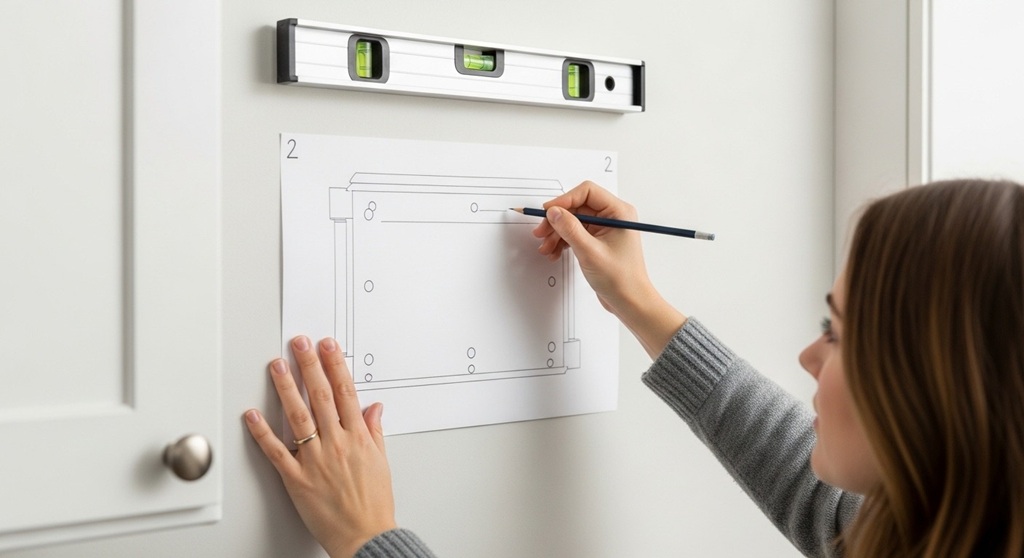
Step 3: Measure and Mark Drill Points
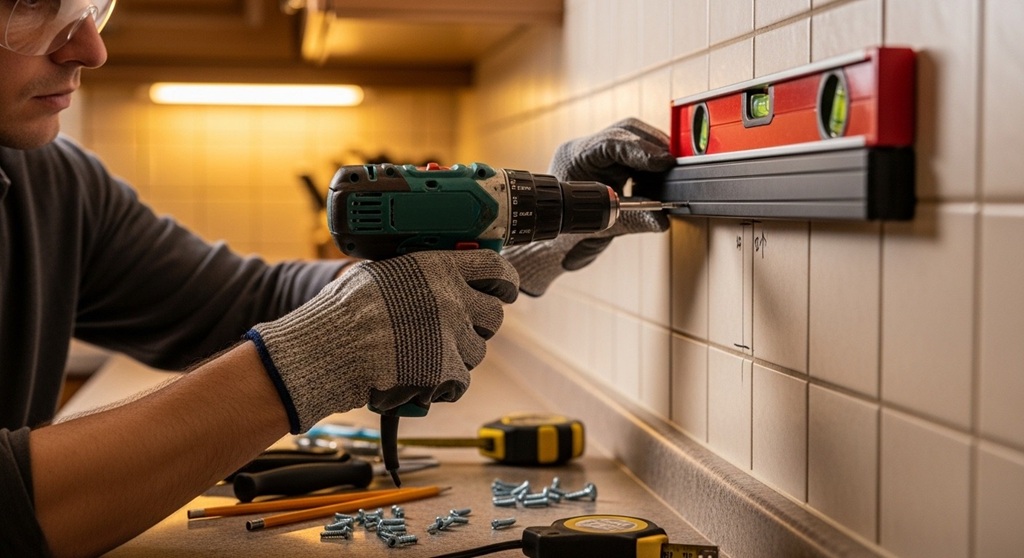
Use a measuring tape to determine the ideal height for the strip. A common installation height is 18 inches above the countertop.
Follow these steps:
- Hold the strip against the wall
- Use a level tool to ensure straight alignment
- Mark screw hole locations using a pencil
- Double-check measurements before drilling
Accurate measurements prevent uneven installation and reduce the need for wall repairs later.
Step 4: Drill Holes and Insert Wall Anchors
If installing on drywall, wall anchors are necessary to support the weight of knives.
Follow this process:
- Use a drill bit slightly smaller than the anchor
- Drill holes at marked points
- Insert anchors into the holes
- Tap gently until flush with the wall
If you locate a wall stud using a stud finder, you can mount the screws directly into the stud without anchors. Stud mounting provides stronger support.
Step 5: Attach the Magnetic Knife Strip
Once the anchors are in place, align the knife strip with the holes.
- Insert screws through mounting holes
- Tighten screws with a screwdriver or drill
- Check that the strip sits firmly against the wall
- Confirm the strip remains level
A properly mounted strip should not move when gently pulled.
Step 6: Test Magnet Strength
Before placing your full knife collection, test the strip with one knife.
- Place knife spine-first on the strip
- Release slowly
- Confirm the magnet holds the knife securely
If the knife slides, tighten screws or check alignment.
Where Should You Place a Magnetic Knife Strip in the Kitchen?
Quick answer: The best place for a magnetic knife strip is above the countertop near the food preparation area but away from heat, moisture, and children’s reach.
Proper placement improves safety and convenience.
Ideal Placement Guidelines
- 18–24 inches above the countertop
- Near cutting boards or prep zones
- Far from stove flames or grease splatter
- Away from sink water exposure
Magnetic knife storage improves kitchen organization. A case study by a commercial kitchen design group found that restaurants using wall-mounted knife storage reduced drawer clutter and improved tool accessibility during service hours.
Are Magnetic Knife Strips Safe for Kitchen Use?
Quick answer: Yes, magnetic knife strips are safe when installed properly and when knives are placed carefully with the spine touching the magnet first.
Safety depends on correct installation and proper handling.
Safety Benefits
- Keeps blades visible
- Prevents drawer accidents
- Reduces knife dulling
- Improves kitchen organization
Kitchen safety reports show that hidden blades in drawers are a common cause of minor household cuts. Wall-mounted storage reduces that risk.
Safe Knife Placement Technique
Always place knives spine-first onto the strip. This prevents blade chipping and reduces hand injuries.
What Types of Magnetic Knife Strips Are Available?
Quick answer: Magnetic knife strips are available in stainless steel, wood, aluminum, and heavy-duty commercial designs.
Each type offers different aesthetics and magnetic strength.
| Type | Advantages |
|---|---|
| Wood magnetic strip | Natural look, protects blades |
| Stainless steel strip | Modern design, durable |
| Aluminum strip | Lightweight and corrosion resistant |
| Commercial heavy-duty strip | Strong magnets for large knives |
Professional chefs often prefer wood magnetic strips because the hidden magnets protect knife edges.
What Mistakes Should You Avoid When Installing a Magnetic Knife Strip?
Quick answer: Avoid installing on weak drywall without anchors, placing the strip too high or too low, or positioning it near heat sources.
Common Installation Errors
- Skipping wall anchors
- Uneven mounting
- Placing near stove heat
- Installing too close to sink moisture
- Overloading the strip with heavy knives
These mistakes can cause the strip to loosen or knives to fall.
How Many Knives Can a Magnetic Knife Strip Hold?
Quick answer: A standard 18-inch magnetic knife strip can hold 6–8 kitchen knives depending on size and weight.
The number depends on:
- Magnet strength
- Knife weight
- Strip length
- Spacing between knives
A typical chef knife weighs about 200–300 grams. Strong magnetic strips are designed to support multiple knives safely.
Do Magnetic Knife Strips Damage Knives?
Quick answer: No, magnetic knife strips do not damage knives when blades are placed carefully against the magnet.
However, improper placement can chip the edge.
Tips to Protect Knife Edges
- Place spine first, not blade
- Remove knives gently
- Avoid sliding knives across the strip
- Use wooden magnetic strips if possible
Proper handling preserves knife sharpness and prevents wear.
Conclusion
Installing a magnetic knife strip is one of the simplest upgrades for kitchen organization and safety. Instead of storing sharp knives in crowded drawers, a wall-mounted magnetic strip keeps tools visible, accessible, and secure.
When learning how to install magnetic knife strip in kitchen, the key steps include selecting the correct location, measuring accurately, using anchors or studs for support, and testing magnet strength before placing knives.
Correct installation not only improves workflow but also reduces the risk of accidental cuts and blade damage.
If you want a cleaner, more efficient cooking space, a magnetic knife strip is a practical solution. Start by choosing a durable strip, gather the right tools, and follow the installation steps outlined in this guide.
Take action today: install a magnetic knife strip and transform your kitchen into a safer and more organized workspace.
Frequently Asked Questions (FAQs)
1. How high should a magnetic knife strip be installed?
A magnetic knife strip should typically be installed about 18–24 inches above the countertop. This height keeps knives accessible while reducing safety risks.
2. Can magnetic knife strips hold heavy knives?
Yes. High-quality magnetic strips can hold chef knives, cleavers, and other heavy blades. Always check the manufacturer’s weight capacity.
3. Can you install a magnetic knife strip without drilling?
Some strips use adhesive mounting systems, but drilling with screws provides stronger and more reliable support.
4. Are magnetic knife strips safe around children?
They can be safe if installed high enough to remain out of children’s reach. Proper placement is essential.
5. Do magnetic knife strips rust?
Most strips are made of stainless steel or sealed wood, which resist rust when used in normal kitchen environments.
6. Can you store other tools on magnetic knife strips?
Yes. Magnetic strips can also hold scissors, metal utensils, and small kitchen tools.
7. How do you clean a magnetic knife strip?
Wipe the strip regularly with a damp cloth and mild cleaner to remove dust, grease, and food particles.
Read More Also: A Wooden Bridge: The Fairytale Touch for Your Garden
Find out: Digital Door Locks: High-tech Convenience or Security Snag?