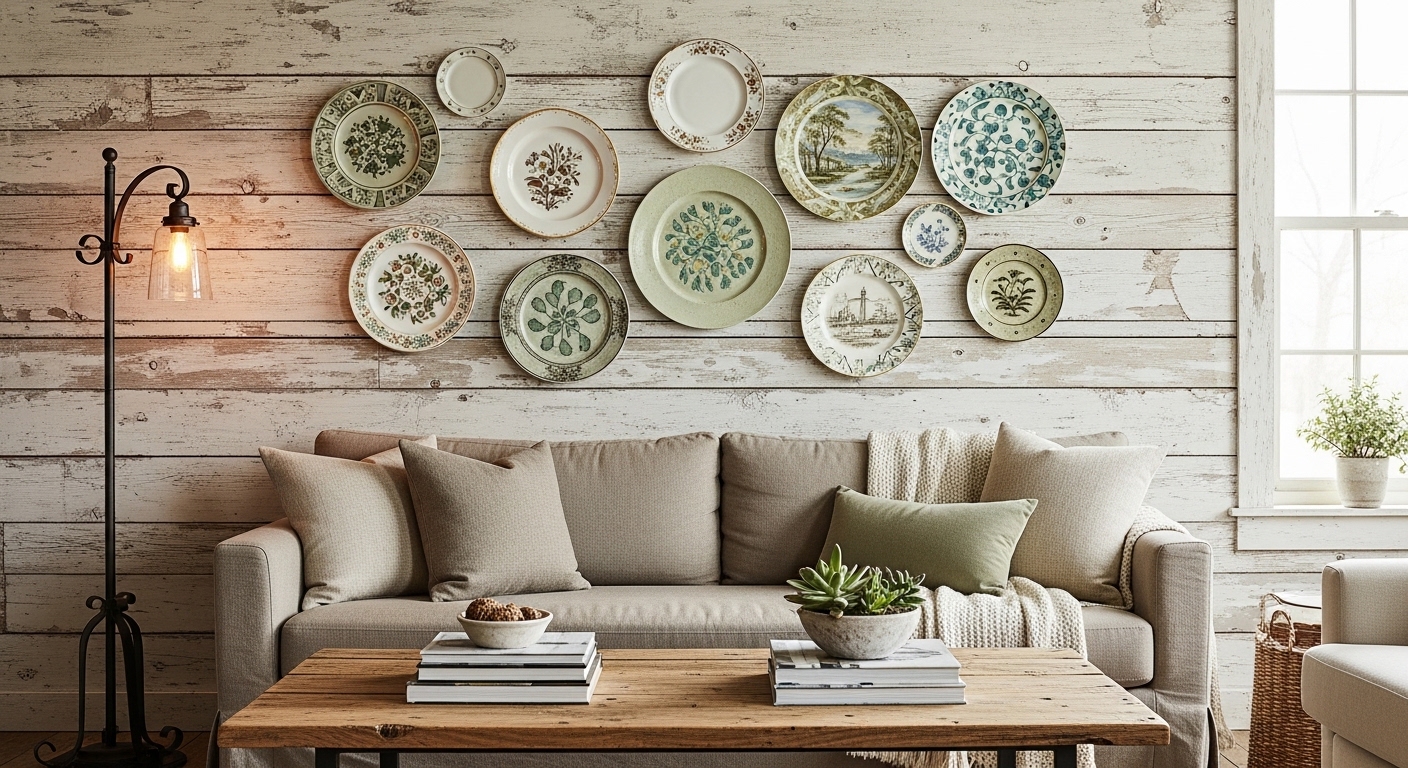
Wall plates are no longer limited to dining cabinets. In 2026, they are becoming a practical and affordable way to create statement walls without artwork or paint changes. Designers now use plates to add texture, color layering, and cultural storytelling to living rooms, entryways, and bedrooms.
Many homeowners avoid wall plate displays because they worry about damage, cluttered layouts, or outdated results. The truth is simple: when arranged correctly and mounted safely, wall plates create a structured focal point that works across modern, vintage, and minimalist interiors.
This guide explains exactly how to select plates, plan layouts, choose mounting hardware, and style arrangements that look intentional rather than random. Every step focuses on practical execution so your wall plate display feels balanced, secure, and trend-relevant.
What Is the Wall Plate Decor Trend in 2026?
Hanging wall plates as decor involves arranging decorative or everyday plates on vertical surfaces to create a layered visual display. In 2026, designers prefer asymmetrical layouts, mixed textures, neutral palettes, and cultural ceramics to add depth, personality, and affordability without permanent wall modifications.
Wall plates are trending again because they solve three common decorating problems at once. They fill blank wall space, add dimension without expensive artwork, and allow flexible arrangement changes over time.
Unlike framed prints, plates introduce curvature and reflective surfaces. This helps break the flat appearance of walls. It also adds shadow depth under natural or artificial lighting.
Another reason for the trend is accessibility. You can mix thrift-store finds with handmade ceramics or family heirlooms. This creates a personalized gallery that feels authentic instead of mass-produced.
Interior designers now recommend plate walls for:
- Entryway statement zones
- Dining room feature walls
- Above console tables
- Hallway transitions
- Kitchen accent areas
The key difference between outdated plate displays and modern arrangements is spacing. Older styles used rigid symmetry. Current layouts prioritize rhythm, variation, and intentional imbalance.
Why Are Wall Plates Becoming Popular Again in Interior Design?
Wall plates are returning to interior design because they offer affordable wall styling, support sustainable decorating through reuse, and introduce texture that flat artwork cannot provide. Designers also value their flexibility, allowing homeowners to refresh arrangements without repainting or drilling multiple permanent fixtures.
Modern decorating priorities have shifted toward adaptable interiors. Homeowners want features they can rearrange without renovation. Plate displays support this approach perfectly.
They also support sustainability goals. Instead of buying large framed prints, people reuse vintage ceramics or handmade local pieces. This reduces waste while improving visual uniqueness.
Another factor is cultural storytelling. Plates often represent travel memories, heritage patterns, or artisan craftsmanship. When grouped together, they create a narrative wall instead of simple decoration.
Designers now combine plates with:
- Neutral painted walls
- Wood console tables
- Soft wall lighting
- Minimal framed artwork
This layered styling approach helps spaces feel curated rather than staged.
Which Types of Plates Work Best for Wall Displays?
The best plates for wall displays include ceramic, porcelain, stoneware, woven charger plates, and hand-painted artisan pieces. Mixing sizes between 6 and 14 inches creates visual movement, while combining matte and glossy finishes prevents flat-looking arrangements.
Not every plate suits wall display. Lightweight materials are easier to mount securely and reduce wall damage risk.
Decorative plates with texture work especially well because they create shadow contrast under lighting. Smooth plates rely more on color variation to stay visually interesting.
| Plate Type | Best Use Area | Visual Effect | Weight Level |
|---|---|---|---|
| Ceramic Plates | Living rooms | Classic texture | Medium |
| Porcelain Plates | Dining rooms | Refined finish | Light |
| Stoneware Plates | Entryways | Rustic depth | Heavy |
| Woven Chargers | Boho interiors | Organic warmth | Light |
| Hand-painted Plates | Accent walls | Cultural storytelling | Medium |
Combining materials prevents monotony. It also helps the display adapt across lighting conditions.
How Do You Plan a Balanced Wall Plate Layout?
To plan a balanced wall plate layout, start by placing the largest plate at the center, surround it with medium plates, and fill outer gaps with smaller pieces. Maintain 2–4 inches spacing between plates to ensure visual rhythm without crowding.
Layout planning determines whether your wall looks intentional or random. Always test arrangements before drilling or mounting.
The safest approach is floor planning. Place plates on the floor in front of the wall and experiment with spacing until balance appears natural.
Common layout styles include:
- Centered cluster layout
- Vertical column arrangement
- Diagonal flowing pattern
- Organic asymmetrical spread
Paper templates also help reduce installation errors. Trace each plate on paper and tape outlines onto the wall. Adjust positions before mounting hardware.
This step prevents unnecessary holes and ensures symmetry where required.
What Hardware Is Best for Hanging Wall Plates Safely?
The safest hardware for hanging wall plates includes adhesive plate hangers for lightweight plates, spring-style wire hangers for ceramic pieces, and wall anchors for heavier stoneware. Matching hanger strength with plate weight prevents slipping, tilting, or wall damage.
Hardware selection directly affects display durability. Many plate displays fail because installers choose incorrect supports.
Use these guidelines:
- Adhesive hangers for plates under 500 grams
- Wire hangers for medium-weight ceramics
- Anchored screws for heavy plates
- Command hooks for rental-friendly setups
Always test mounting stability before stepping away. A loose plate risks wall damage and breakage.
Professional installers also recommend rubber bumpers behind plates. These prevent tilting and protect painted surfaces.
Where Should You Hang Decorative Plates for Maximum Impact?
The best locations for decorative wall plates include entryways, above dining tables, behind sofas, and along staircases. Hanging plates at eye level between 57 and 63 inches from the floor ensures comfortable viewing and balanced visual alignment.
Placement height affects readability and aesthetic impact. Plates hung too high appear disconnected from furniture zones.
Designers treat plate displays like artwork installations. They align the visual center of the arrangement with average eye level rather than ceiling height.
Effective placement zones include:
- Above sideboards
- Between windows
- Hallway transitions
- Kitchen breakfast corners
Avoid placing plates near door swings or narrow pathways. Movement increases accident risk.
How Do You Style Wall Plates Without Making Them Look Outdated?
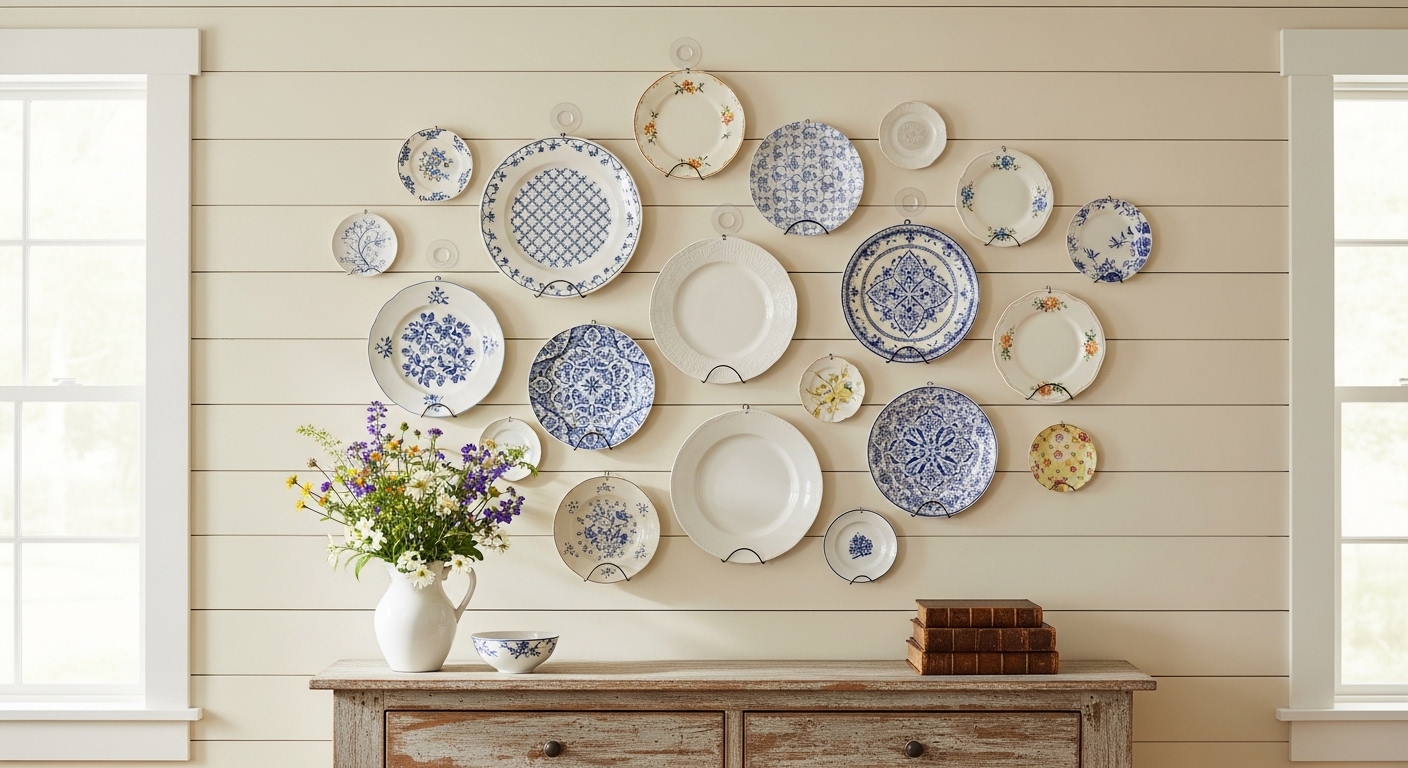
To prevent wall plate decor from looking outdated, mix plate sizes, limit color palettes to three tones, combine matte and glossy textures, and avoid rigid symmetry. Modern arrangements rely on layered spacing, neutral backgrounds, and intentional irregularity.
Outdated displays usually follow predictable circular clusters with identical plates. Modern styling introduces variation while maintaining harmony.
Try these styling upgrades:
- Combine vintage and modern ceramics
- Add woven chargers between porcelain plates
- Use neutral wall paint backgrounds
- Limit overly decorative borders
Another technique involves spacing contrast. Leave slightly wider gaps between outer plates than inner plates. This creates movement.
Lighting also changes perception. Wall sconces or indirect ceiling lighting enhances plate texture depth significantly.
Can You Hang Wall Plates Without Damaging Walls?
Yes, wall plates can be hung without damaging walls by using adhesive hangers, removable hooks, or lightweight mounting strips designed for decorative objects. These solutions support small and medium plates while allowing repositioning without permanent holes.
This approach is ideal for renters or temporary styling setups. It allows experimentation without commitment.
Removable mounting methods include:
- Command-style adhesive hooks
- Stick-on plate discs
- Lightweight mounting strips
- Magnetic plate mounts
Before applying adhesives, clean surfaces thoroughly. Dust reduces bonding strength.
Also avoid humidity-heavy walls such as kitchens without ventilation. Moisture weakens adhesive support.
Conclusion: How Can You Start a Wall Plate Display Today?
Wall plate decor works because it combines affordability, personalization, and flexibility. Instead of relying on large artwork purchases, you can create layered wall interest using pieces you already own or collect gradually over time.
The most effective approach starts with selecting plates in three size categories, testing layouts on the floor, and choosing mounting hardware based on weight. From there, spacing consistency and eye-level placement ensure professional-looking results.
Modern styling depends on balance rather than symmetry. Mixing materials, textures, and subtle color variation keeps displays current instead of traditional.
If you want a fast upgrade for any blank wall, start with five plates arranged around a central anchor piece. Expand gradually as your collection grows.
This method creates a flexible decor system that evolves with your home instead of locking you into one permanent design choice.
Frequently Asked Questions About Hanging Wall Plates
How many plates should be used in a wall display?
Most wall plate arrangements look balanced with five to nine plates. Odd-number groupings create better visual movement and prevent rigid symmetry. Larger walls may support 12 to 20 plates if spacing remains consistent and layout structure stays centered.
What size plates work best for wall decor?
Plates between 6 and 14 inches work best for wall displays. Mixing three size categories creates depth and layering. Using only one plate size often produces a flat appearance without visual hierarchy.
Can everyday kitchen plates be used as wall decor?
Yes, everyday kitchen plates can be used as wall decor if they are lightweight and structurally intact. Neutral or patterned dinner plates often blend well with decorative ceramics when arranged thoughtfully.
How high should decorative plates be hung?
Decorative plates should be hung so the center of the arrangement sits approximately 57 to 63 inches from the floor. This height aligns with average eye level and ensures comfortable viewing from multiple angles.
Are adhesive plate hangers strong enough?
Adhesive plate hangers are strong enough for lightweight ceramic and porcelain plates. Heavier stoneware plates require anchored mounting solutions to prevent slipping or accidental falls over time.
Do wall plates work in modern interiors?
Wall plates work well in modern interiors when arranged asymmetrically and limited to neutral or earthy color palettes. Mixing matte textures with subtle gloss finishes improves compatibility with minimalist environments.
Can wall plate displays be changed later?
Yes, wall plate displays are easy to update by replacing individual plates or adjusting spacing. Using removable mounting solutions allows layout changes without repainting or repairing wall surfaces.
Read More Also: Digital Door Locks: High-tech Convenience or Security Snag?
Learn More: How Can I Ensure My Smart Home Devices Are Secure From Hacking Threats