If you have ever tried wrestling a bulky upright vacuum up a flight of stairs, you already know the pain. You want powerful suction, reliable performance, and the flexibility to clean hardwood floors, carpets, and upholstery without spending a fortune. The search for the best canister vacuum under $200 can feel overwhelming because cheap models often lack suction, and expensive ones break your budget. The good news is that you do not have to compromise. Affordable canister vacuums now offer impressive features like HEPA filtration, variable suction controls, and long cords—all without crossing the $200 mark.
This guide will walk you through exactly what to look for, which models deliver real value, and how to avoid common buying mistakes. By the end, you will know which vacuum fits your home and why it works.
What Makes a Canister Vacuum Different from an Upright?
The Core Design Difference
A canister vacuum separates the motor and dust collection unit from the cleaning head. You pull or roll the canister behind you while you hold only the wand and hose. This design makes canisters significantly lighter in the hand compared to uprights.
Why Weight and Maneuverability Matter
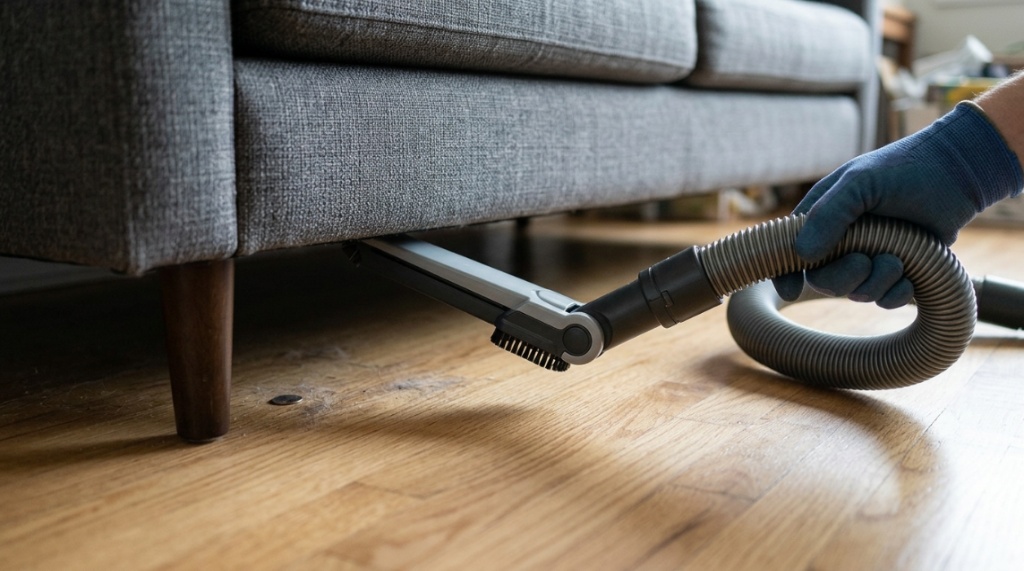
Because the heavy motor sits on the floor, you can clean stairs, drapes, and under furniture with much less effort. For multi-level homes or homes with lots of furniture, this design advantage alone justifies the switch.
Versatility Across Floor Types
Canister models usually include a suction control valve on the wand or handle. This lets you reduce suction on delicate rugs and increase it for deep carpet cleaning. Uprights often lack this fine control at the same price point.
Why Should You Trust a Vacuum Under $200?
Price Does Not Equal Performance
Many people assume a $200 vacuum is a disposable toy. In reality, brands like Eureka, Bissell, and Kenmore have engineered reliable machines for this price range. They use simpler but proven motor designs and skip unnecessary smart features to keep costs low.
Common Myths About Budget Canisters
The biggest myth is that cheap canisters have weak suction. The truth is that most budget models use the same basic cyclone or bagged technology as their expensive siblings. The difference often comes down to build materials and included accessories—not raw cleaning power.
What You Actually Sacrifice at This Price
You generally lose motorized power heads, premium floor nozzles, and longer warranties. However, for hard floors and low-pile carpets, a standard floor brush with suction is often more than enough.
Which Features Should You Prioritize Under $200?
Suction Power and Motor Type
Look for at least 12 amps of power or a motor rated above 800 watts. This ensures enough airflow to pick up debris from carpets. Avoid cordless budget canisters—they usually lack runtime and suction at this price.
Filtration System
HEPA filtration is a must if you have allergies. Many sub-$200 models include washable HEPA filters. Check whether the filter is washable or requires replacement every few months, as that affects long-term cost.
Attachments and Accessories
A good canister should come with a crevice tool, dusting brush, and upholstery nozzle. Some models add a turbo brush for pet hair. More attachments are not always better—quality of the brush bristles matters more than quantity.
Cord Length and Reach
Most budget canisters have a 15-20 foot cord. Combined with a hose (usually 5-6 feet), this gives you about 25 feet of total reach. That is sufficient for most living rooms but may require switching outlets in larger spaces.
How to Choose Between Bagged and Bagless Models
Bagged Canisters: Pros and Cons
Bagged models trap dust better and require less filter maintenance. You simply throw away the bag when full. The downside is recurring cost for bags, which can add up over a year. At this price point, bagged models often feel more durable.
Bagless Canisters: Pros and Cons
Bagless models save you money on bags and let you see exactly when the bin is full. However, emptying the bin can kick dust back into the air if the filter is not sealed well. They also require regular filter washing to maintain suction.
Which One Lasts Longer?
Bagged canisters tend to maintain suction longer because the bag acts as a filter. Bagless models often lose suction as the filter clogs. For allergy sufferers, bagged is generally the safer choice under $200.
What Is the Best Canister Vacuum for Hardwood Floors?
Why Hard Floors Need Special Care
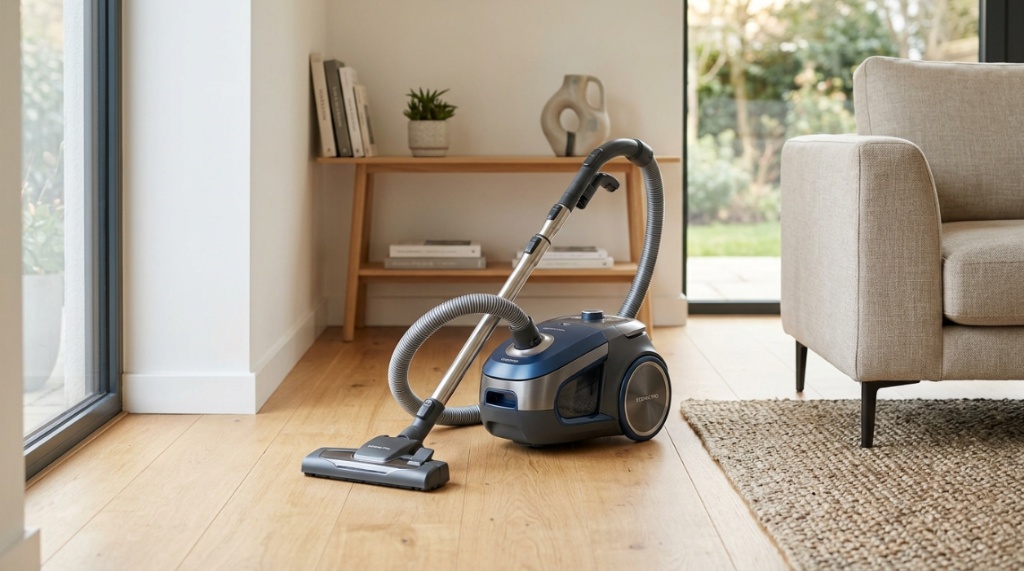
Hardwood, laminate, and tile floors scratch easily. A canister with a soft-bristle floor brush or a felt strip on the bottom prevents scratches. Many budget models include a dedicated hard-floor setting.
Top Pick for Hard Floors Under $200
The Eureka Mighty Mite is a classic choice. It is lightweight, bagged, and includes a floor brush with felt strips. It glides smoothly over hardwood and picks up fine dust without scattering debris.
What to Avoid on Hard Floors
Stay away from models with hard plastic wheels on the floor nozzle. They can leave visible scuff marks. Also avoid motorized power heads unless the brush roll can be turned off, as it can damage delicate flooring.
Can a $200 Canister Vacuum Handle Pet Hair?
The Challenge of Pet Hair
Pet hair clings to fabric and carpet fibers. Standard suction alone may not pull embedded hair from upholstery. A turbo brush (air-driven) or a small motorized brush is very helpful.
Budget Models That Tackle Pet Hair
The Bissell Zing Bagged Canister includes a turbo brush that works well on pet hair from sofas and stairs. It is not as powerful as a full-size motorized head, but it removes surface hair effectively.
Tips for Better Pet Hair Removal
Use the crevice tool along baseboards and corners where hair accumulates. Vacuum upholstery in both directions to lift embedded hair. Empty the bag or bin frequently to maintain strong airflow.
Which Accessories Actually Matter for Daily Use?
The Essential Trio
You need a crevice tool for tight spaces, a dusting brush for delicate surfaces, and an upholstery nozzle for furniture. Without these, your canister is limited to floors only.
Optional but Useful Add-Ons
A flexible hose extension helps reach ceiling corners. A stretch hose (elastic) makes it easier to move around furniture without the hose pulling the canister. Some models include a mini turbo brush for stairs.
How to Store Accessories
Many budget canisters lack onboard storage for all attachments. Look for a model with a clip-on holder on the canister body, or plan to store tools in a small caddy. This prevents losing small parts over time.
How to Maintain Your Canister Vacuum for Long Life
Clean or Replace Filters Regularly
Washable foam filters should be rinsed every 1-2 months. HEPA filters should be replaced every 6-12 months depending on use. A clogged filter reduces suction dramatically.
Check the Hose for blockages.
Canister hoses can get clogged with hair or debris. Disconnect the hose from both ends and look through it. Use a broom handle to push out blockages gently. If you live in tight quarters or deal with shedding pets, you might also want to check out our guide on the Best Stick Vacuum for Long Hair and Small Apartments for maximum maneuverability.
Inspect the Floor Nozzle
Hair wraps around the brush roll or gets stuck under the nozzle. Remove the nozzle cover every few weeks and cut away tangled hair with scissors. This prevents the brush from stopping.
Where to Find the Best Deals on Budget Canister Vacuums
Online Retailers vs. Local Stores
Online retailers like Amazon and Walmart often have lower prices and more models than local stores. However, local stores let you test the weight and handle feel before buying.
Timing Your Purchase
Sales events like Prime Day, Black Friday, and back-to-school season often drop prices on canister vacuums. You can sometimes find a $250 model for under $200 during these events.
Warranty and Return Policy
Check the warranty length before buying. Most budget vacuums come with a one-year limited warranty. Extended warranties are rarely worth the cost on sub-$200 machines.
For a curated list of top-rated models available in your region, check this resource on the best canister vacuum under $200. It includes detailed specs and user reviews to help you decide.
How to Test a Canister Vacuum Before Buying
Check the Suction with Your Hand
If you are in a store, place your hand over the end of the hose. You should feel strong suction that does not fluctuate. A surging sound indicates a blockage or weak motor.
Weigh the Canister and Wand
Lift the canister with one hand. It should be under 12 pounds for easy carrying. Also check that the wand locks securely and does not wobble.
Roll the Canister on Different Surfaces
Push the canister across tile, carpet, and a rug. The wheels should roll smoothly without tipping the canister. Some models have wheels that get stuck on thick carpet—avoid those.
Frequently Asked Questions
What is the best canister vacuum under $200 for allergies?
The Eureka Mighty Mite with a HEPA filter is a top choice. It uses bags to trap allergens effectively and has sealed filtration that prevents dust from escaping.
Are bagless canister vacuums under $200 worth buying?
Yes, but they require more frequent filter cleaning. Models like the Bissell Zing bagless offer good value for homes without severe allergies and are easy to empty.
Can I use a canister vacuum on thick carpets?
Budget canisters are best for low to medium-pile carpets. For thick carpets, you need a motorized power head, which is rare under $200. A turbo brush can help but may struggle.
How long should a $200 canister vacuum last?
With proper maintenance, these vacuums typically last 3-5 years. Bagged models often last longer than bagless because the motor faces less dust exposure.
Do I need a separate vacuum for hardwood and carpet?
No, most canisters under $200 come with a floor nozzle that works on both. Some even have a switch to adjust the brush height or suction for different surfaces.
Is a canister vacuum better than a stick vacuum?
For deep cleaning and larger homes, yes. Stick vacuums are lighter but have smaller dust bins and weaker suction. Canisters offer better performance per dollar at this price.
What is the quietest canister vacuum under $200?
The Eureka Mighty Mite operates at around 70 decibels, which is quieter than many uprights. Bagged models generally produce less noise than bagless because there is less airflow turbulence.
Conclusion
Finding the best canister vacuum under $200 is not about settling for less—it is about choosing the right combination of suction, weight, and features for your specific home. Focus on bagged models if you have allergies, prioritize turbo brushes if you own pets, and always verify the floor nozzle works on your primary flooring. The Eureka Mighty Mite and Bissell Zing are reliable benchmarks, but newer models from Kenmore and Hoover also compete well. Before you buy, measure your storage space and check the cord length. A good canister vacuum will make cleaning easier, not harder. Use the checklist from this guide to compare models, and do not hesitate to read user reviews for real-world feedback.
Now you have the knowledge to make a smart purchase. Your stairs, drapes, and hardwood floors will thank you.