

Every roofing material faces a constant battle with temperature changes. Your roof expands when temperatures rise and contracts when they fall. This natural process happens daily and seasonally, putting stress on every component of your roofing system. Understanding these movements is essential when planning a roof replacement.
Understanding Thermal Movement in Roofing Materials
Thermal expansion and contraction occur in all building materials. However, roofing materials experience more extreme temperature fluctuations than any other part of your home. A dark asphalt shingle roof can reach temperatures exceeding 160 degrees Fahrenheit on a summer day. At night, that same roof might cool down to 70 degrees or lower.
This temperature swing causes materials to expand and contract repeatedly. Different materials respond to these changes at different rates. Metal expands more than wood. Asphalt shingles move differently than clay tiles. These variations create unique challenges during installation and throughout the roof’s lifespan.
Common Problems Caused by Expansion and Contraction
Temperature-related movement leads to several distinct problems. Recognizing these issues helps homeowners make informed decisions about roof replacement materials.
Fastener Failure
Nails and screws hold roofing materials in place. However, constant expansion and contraction can loosen these fasteners over time. When materials expand, they push against the fasteners. During contraction, they pull away. This repetitive stress eventually causes fasteners to back out or break.
Metal roofing is particularly susceptible to fastener problems. The material expands significantly with heat. If installers use standard fasteners without allowing for movement, the roof will develop waves and buckling. Additionally, fastener holes can elongate, creating pathways for water infiltration.
Cracking and Splitting
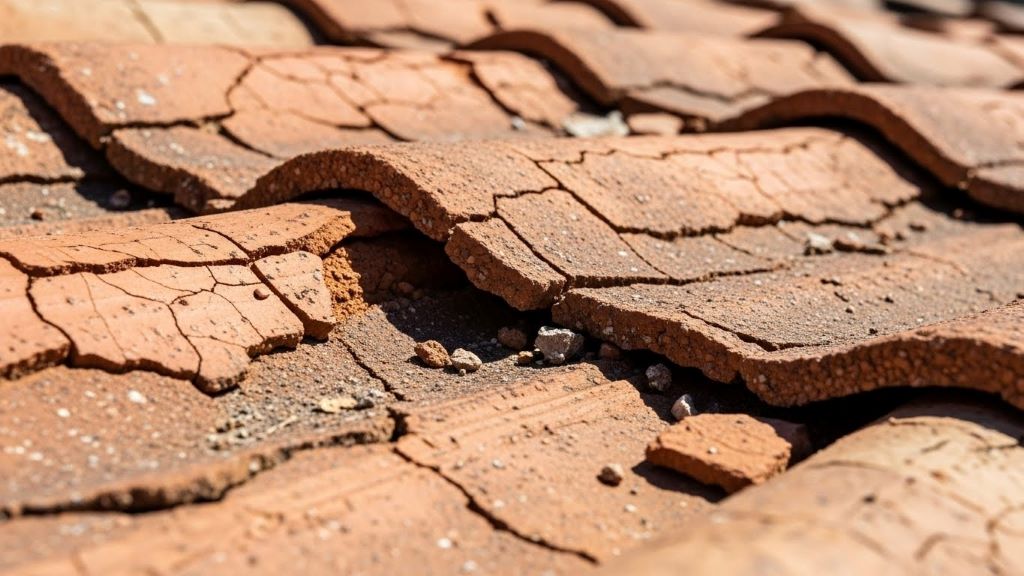
Brittle materials crack when forced to move beyond their flexibility limits. Clay and concrete tiles are especially vulnerable. These materials have low tensile strength, meaning they break easily under tension. When temperatures drop rapidly, the sudden contraction can cause tiles to crack.
Asphalt shingles also develop cracks over time. The asphalt becomes less flexible as it ages. Older shingles cannot accommodate the same degree of movement as new ones. Consequently, they develop small cracks that grow larger with each temperature cycle.
Buckling and Warping
Wood shingles and shakes expand when they absorb moisture and contract as they dry. This constant movement can cause individual pieces to warp or buckle. The problem intensifies when installers do not leave adequate spacing between shingles.
Metal panels buckle when they cannot expand freely. Oil canning, a wavy appearance in metal roofing, often results from thermal stress. The panels try to expand but encounter resistance from the fastening system. Therefore, they buckle between attachment points.
Sealant Degradation
Roofing sealants and caulks must remain flexible to accommodate movement. However, ultraviolet radiation and temperature extremes degrade these materials. Hardened sealant cannot stretch with the roofing material. Consequently, gaps form around penetrations like vents and chimneys.
Flashing sealant failure is particularly problematic. Water enters through these gaps and causes interior damage. Regular inspection and maintenance of sealant joints is necessary to prevent leaks.
Material-Specific Expansion Challenges
Different roofing materials present unique expansion and contraction challenges. Understanding these differences helps in selecting the right material for your climate and home.
Asphalt Shingles
Asphalt shingles are the most common roofing material in North America. They expand and contract moderately compared to other materials. However, they face specific challenges related to thermal movement.
The adhesive strips on asphalt shingles must seal properly to resist wind uplift. Extreme temperature fluctuations can prevent proper sealing. Moreover, repeated expansion and contraction eventually causes the shingles to become brittle. This brittleness leads to corner cracking and tab breakage.
Metal Roofing
Metal roofing expands significantly more than other materials. Steel and aluminum can expand up to one inch per 100 feet of panel length with a 100-degree temperature change. This substantial movement requires special installation techniques.
Standing seam metal roofing systems use clips that allow panels to move freely. The clips slide within the seam as the metal expands and contracts. Fixed fastener systems, conversely, must use special screws with rubber washers. These screws slightly compress the washer, allowing limited movement.
According to the Metal Construction Association, proper installation techniques are critical for managing thermal movement in metal roofing systems.
Clay and Concrete Tiles
Tile roofing systems have low expansion rates compared to metal. However, tiles are rigid and cannot flex to accommodate movement. This rigidity makes them susceptible to cracking when the underlying structure moves.
The fastening system for tiles must allow individual tiles to move independently. Wire ties or clips provide this flexibility. Additionally, proper underlayment selection is crucial. The underlayment must accommodate the differential movement between the tiles and the roof deck.
Wood Shakes and Shingles
Wood roofing materials respond primarily to moisture rather than temperature. They swell when wet and shrink when dry. This hygroscopic movement creates unique installation requirements.
Installers must leave gaps between wood shingles to allow for expansion. If shingles are installed too tightly, they will buckle when they absorb moisture. Furthermore, the wood’s grain direction affects how it moves. Quarter-sawn shingles exhibit less movement than flat-sawn pieces.
Installation Best Practices to Minimize Problems
Proper installation techniques significantly reduce expansion and contraction problems. These practices vary by material but share common principles.
Allow for Movement
Every roofing system needs accommodation for thermal movement. Metal roofing requires sliding clips or oversized fastener holes. Tile roofing needs flexible attachment systems. Even asphalt shingles benefit from proper nail placement that does not over-compress the material.
Use Appropriate Fasteners
Fastener selection directly impacts how well a roof handles thermal stress. Stainless steel fasteners resist corrosion and maintain their holding power. Rubber washers under screw heads compress slightly, allowing limited movement. Ring-shank nails provide superior holding power compared to smooth-shank nails.
Install Quality Underlayment
Modern synthetic underlayments accommodate movement better than traditional felt paper. They stretch slightly without tearing. This flexibility prevents underlayment failure when the roof deck expands or contracts. Additionally, synthetic materials resist ultraviolet degradation better than felt.
Consider Climate Factors
Your local climate should influence material selection and installation methods. Areas with extreme temperature swings require more attention to expansion joints and flexible connections. Regions with high humidity need materials that resist moisture-related movement.
The National Roofing Contractors Association provides detailed guidelines for climate-appropriate roofing installations.
Selecting Materials for Your Climate
Climate considerations should drive material selection during roof replacement. Some materials perform better in specific conditions.
Hot, sunny climates benefit from light-colored metal or tile roofing. These materials reflect heat and experience less thermal expansion. Cold climates with significant snow loads require strong materials that can handle weight and temperature extremes. Moderate climates offer the widest range of suitable materials.
Coastal areas face additional challenges from salt air corrosion. Stainless steel fasteners and corrosion-resistant materials are essential in these environments. Desert regions with intense sun and dramatic temperature swings need materials with proven long-term stability.
Maintenance and Long-Term Performance
Regular maintenance extends roof life and minimizes expansion-related damage. Homeowners should inspect their roofs twice annually, ideally in spring and fall.
Look for loose or missing fasteners, particularly after severe weather. Check sealant around penetrations and flashing details. Replace degraded sealant promptly to prevent water infiltration. Remove debris from valleys and gutters to prevent moisture accumulation.
Professional inspections every few years provide expert assessment of roof condition. Experienced roofers recognize early signs of expansion-related problems. Early intervention prevents minor issues from becoming major repairs.
Conclusion
Expansion and contraction represent fundamental challenges in roofing system performance. Every material moves in response to temperature and moisture changes. Understanding these movements helps homeowners make informed roof replacement decisions. Proper material selection, professional installation, and regular maintenance minimize problems caused by thermal stress. Consider your local climate, building design, and budget when selecting roofing materials. Work with experienced contractors who understand expansion accommodation techniques. With proper planning and execution, your new roof will perform reliably for decades despite constant thermal cycling.
Frequently Asked Questions
What causes roofing materials to expand and contract?
Temperature changes are the primary cause of expansion and contraction in roofing materials. When materials heat up, their molecules move faster and spread apart, causing expansion. Cooling reverses this process, causing contraction. Moisture also affects some materials, particularly wood, which swells when wet and shrinks when dry.
Which roofing material expands the most?
Metal roofing expands significantly more than other common materials. Steel and aluminum can expand up to one inch per 100 feet with a 100-degree temperature change. This substantial movement requires special installation techniques using sliding clips or oversized fastener holes to accommodate thermal movement.
How can I tell if my roof has expansion problems?
Common signs include buckled or wavy metal panels, cracked tiles or shingles, loose or backed-out fasteners, and gaps in sealant around flashing. You might also notice interior water stains near roof penetrations. If you observe any of these symptoms, contact a professional roofer for inspection.
Do all roofing materials need expansion joints?
Not all materials require formal expansion joints, but all need some accommodation for movement. Metal roofing needs sliding clip systems or flexible fastening. Tile roofing requires flexible wire ties. Even asphalt shingles benefit from proper nail placement that allows slight movement without tearing the material.
How does climate affect roofing material expansion?
Climate significantly impacts expansion and contraction rates. Areas with extreme temperature swings experience more thermal movement. High humidity causes moisture-related expansion in wood materials. Coastal regions face additional challenges from salt corrosion. Your climate should guide material selection and installation methods.
Related Topics: