

In regions where high humidity reigns supreme, the battle against mold growth is both common and frustrating. Proper ventilation stands out as the most effective and proactive solution to keep your indoor spaces fresh and free from mold. This article explores practical, expert-backed strategies for ventilating rooms to combat mold growth in humid climates.
Why Mold Growth Is a Persistent Problem in Humid Climates
Mold thrives in moisture-rich environments. Humid climates, by their nature, provide the perfect storm for mold spores to settle and spread. When indoor spaces lack adequate airflow, humidity levels rise further, creating a haven for mold colonies to grow. The result? Health risks, damage to your home, and costly repairs.
According to the Environmental Protection Agency (EPA), indoor relative humidity levels should ideally stay between 30% and 50% to prevent mold growth. Anything above this range invites trouble. This underscores why ventilation is not a luxury but a necessity in damp climates.
Signs Your Room Needs Better Ventilation
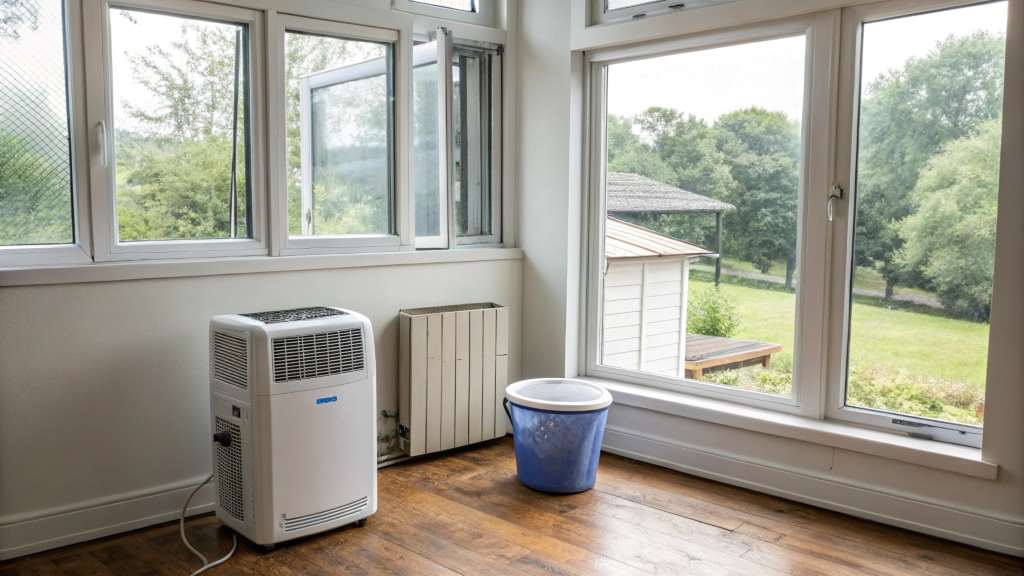
Effective ventilation is about maintaining balance. Here are telltale signs that your room could benefit from better airflow:
- Condensation on windows: A clear sign that moisture levels are too high.
- Musty odors: A classic indicator of hidden mold.
- Visible mold spots: Often found in corners, ceilings, or around windows.
- Warped wood or peeling paint: Resulting from trapped moisture in walls.
If any of these symptoms sound familiar, it’s time to act swiftly.
Best Practices to Ventilate a Room

1. Use Exhaust Fans Effectively
Exhaust fans are a homeowner’s best friend in humid climates. They work by pulling moist air out of enclosed spaces, such as bathrooms and kitchens, which are hotspots for mold growth.
- Placement matters: Install fans near moisture-heavy areas like showers or stoves.
- Regular use is key: Turn on fans during and after activities that generate steam or moisture.
2. Open Windows Strategically
Nothing beats the simplicity of fresh air circulation. Open windows, even for short periods, to allow air to flow in and out.
- Early morning and evening: These times often have cooler, drier air.
- Cross ventilation: Open windows on opposite sides of the room to create a breeze.
3. Consider Mechanical Ventilation Systems
For consistent results, mechanical systems are a game-changer. Options include:
- HRVs (Heat Recovery Ventilators): Exchange stale indoor air with fresh outdoor air while conserving energy.
- ERVs (Energy Recovery Ventilators): Perfect for balancing humidity alongside airflow.
These systems are particularly useful in sealed, energy-efficient homes.
4. Leverage Dehumidifiers for Targeted Results
While dehumidifiers are not ventilation tools per se, they work in tandem to control moisture levels.
- Portable options: Move them between rooms based on need.
- Smart settings: Modern dehumidifiers often have humidity sensors for precise adjustments.
5. Create Air Pathways
Ensure doors and vents between rooms remain unobstructed. This encourages the natural flow of air throughout the home. Adding grills or louvers to doors can further enhance airflow.
The Role of Ceiling Fans in Mold Prevention
Ceiling fans are not just for cooling. Their constant motion helps prevent stagnant air, which can trap humidity in pockets. However, they should be combined with open windows or exhaust systems for the best results.
Best Way to Ventilate a Room in High-Risk Areas
Bathrooms
Bathrooms are a mold magnet due to frequent water usage. Here’s how to mitigate risks:
- Install high-CFM exhaust fans.
- Use squeegees on shower walls to reduce surface moisture.
- Leave the door ajar after use for quicker drying.
Basements
Dark, damp, and often neglected, basements require special attention.
- Use a combination of exhaust fans and dehumidifiers.
- Add proper drainage systems to divert water away from foundation walls.
Many experts agree that proactive ventilation combined with moisture control is the most effective solution. A study published in Building and Environment found that homes with mechanical ventilation systems had up to 80% less indoor mold compared to those relying solely on natural ventilation.
Similarly, the American Society of Heating, Refrigerating and Air-Conditioning Engineers (ASHRAE) recommends a minimum airflow rate of 0.35 air changes per hour in residential settings for optimal indoor air quality.
Common Ventilation Mistakes to Avoid
- Neglecting maintenance: Dirty fans and vents lose efficiency. Clean them regularly.
- Over-relying on AC units: While air conditioners reduce humidity, they don’t replace proper airflow.
- Blocking air vents: Furniture or decor can impede circulation.
Best Way to Ventilate a Room with Limited Resources
Even on a budget, you can improve airflow:
- Use portable fans to direct air toward open windows.
- Place a bowl of rock salt or activated charcoal to absorb excess moisture.
- Keep indoor plants like peace lilies, which help regulate humidity naturally.
FAQs
What is the best way to ventilate a room without windows?
Use exhaust fans, air purifiers with ventilation features, or mechanical ventilation systems like HRVs.
Can mold grow even with proper ventilation?
Yes, if humidity levels exceed 50% consistently. Ventilation helps but must be paired with dehumidification.
How often should I clean ventilation systems?
Clean filters and vents every three months or more frequently in highly humid areas.
Are ceiling fans enough for mold prevention?
No, ceiling fans improve airflow but don’t reduce humidity directly. Combine them with dehumidifiers or exhaust systems.
How can I test humidity levels in my home?
Use a hygrometer to measure indoor relative humidity. Affordable models are available online or at hardware stores.
What’s the difference between HRVs and ERVs?
HRVs exchange stale air for fresh air without affecting humidity, while ERVs balance both air and moisture levels.
Conclusion
Proper ventilation is the cornerstone of mold prevention in humid climates. By combining simple techniques like strategic window openings with advanced systems like HRVs, you can ensure your home stays fresh, healthy, and mold-free. With consistent effort and informed choices, you’ll not only protect your living space but also enhance your overall quality of life.