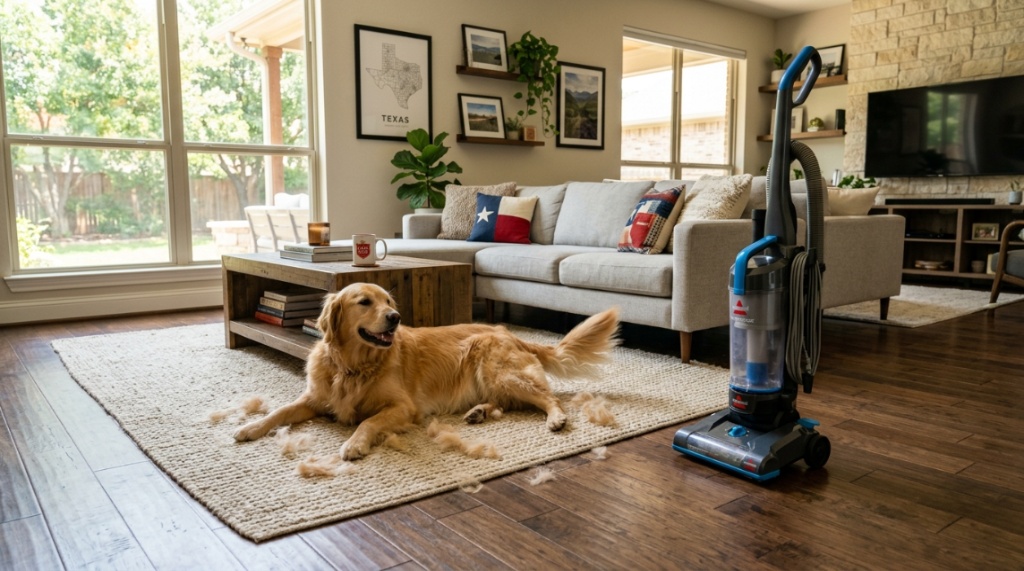
Living in Texas means dealing with wide-open spaces, long commutes, and, for many of us, a house full of pet hair that clings to every fabric surface. If you’re juggling a tight budget while trying to keep your home fur-free, you know the struggle of finding gear that actually works without breaking the bank. The market is flooded with options, but not all affordable vacuums can handle the unique demands of a Texas household—think high ceilings, mixed flooring, and that fine, stubborn dander that seems to float in the dry heat. This guide cuts through the noise to show you exactly how to pick a budget-friendly model that delivers professional-level cleaning results.
Why Do Pet Hair Vacuums Cost So Much in the First Place?
The price tag on many “pet” labeled vacuums is often a marketing tactic rather than a reflection of real engineering costs. Brands know pet owners are desperate for a solution, so they inflate prices on models that simply add a specialized brush roll to a standard machine. You are not paying for complex technology; you are paying for convenience and a name. Understanding this is the first step to finding a genuine bargain that performs just as well as high-end rivals.
The Real Cost of Technology vs. Branding
Most vacuums under $150 use the same core motor technology as their $500 counterparts. The difference lies in build materials, warranty support, and specialized features like self-cleaning brush rolls. For most pet owners, paying extra for a self-cleaning mechanism is a luxury, not a necessity. By focusing on suction power and filter quality over fancy gadgets, you can save hundreds of dollars while still getting a machine that picks up everything from cat litter to long dog hair.
Where Your Money Actually Goes
When you buy a cheap pet hair vacuum texas, your budget should prioritize two things: a sealed system and a true HEPA filter. A sealed system prevents allergens from escaping back into the air, which is crucial for allergy sufferers. A HEPA filter traps microscopic dander, keeping your indoor air quality high. If a budget model has these two features, it is already outperforming many mid-range competitors that skip on internal sealing.
What Features Actually Matter for Texas Homes?
Texas homes often have a mix of tile, hardwood, and thick area rugs to handle. You need a vacuum that transitions seamlessly between surfaces without losing suction or scattering debris. Look for models with a brush roll shut-off function for hard floors, adjustable height settings for shag rugs, and a long cord to cover large living areas without constantly switching outlets. These functional features are better indicators of value than a high-priced brand name.
Suction Power vs. Airflow: The Real Deal
Many manufacturers advertise high wattage, but that is a measure of electricity use, not cleaning power. Instead, look at “air watts” or water lift. A vacuum with good airflow can pull embedded pet hair out of carpets, while a high-watt motor with weak airflow just moves air around. For a budget model, aim for at least 15 to 20 air watts for effective carpet cleaning, and double-check that the airflow path is clear of tons of bends and filters that restrict it,If you have multi-surface flooring throughout your home that requires heavy-duty debris pickup without breaking the bank, check out our guide on the Best Canister Vacuum Under $200 for more budget-friendly cleaning power.
Filtration Systems: Why HEPA is Non-Negotiable
Pet dander is microscopic and floats in the air for hours after you vacuum unless your machine has a HEPA filter. A cheap vacuum without HEPA will blow dander right back into your face, causing sneezing fits and allergy flare-ups. Even if you are not allergic, pet odor particles attach to those tiny allergens, so a good filter makes your whole home smell fresher. Check the box to confirm it says “True HEPA” or “HEPA H13” rather than just “HEPA-like,” which is a meaningless marketing term.
Can You Really Trust a Budget Vacuum for Heavy Pet Hair?
Yes, but you have to manage your expectations about capacity and maintenance. Budget vacuums often have smaller dustbins and simpler filters that need washing more frequently. In a multi-pet Texas home, you might need to empty the bin after every room or two. This is a minor inconvenience compared to the cash you will save. The key is to buy a model with a clear bin so you can see when it is full and a washable filter to avoid recurring costs.
Maintenance Easy Tips to Extend the Life
To make your cheap vacuum last, clean the brush roll every two weeks. Hair and strings wrap around the roller, eventually stopping it from spinning. Use a pair of scissors to carefully cut away debris. Also, wash the foam pre-filter (if present) monthly to keep airflow strong. These simple steps can extend a $100 vacuum’s life to three years or more, which equals excellent value for your money.
Signs Your Vacuum is Fighting a Losing Battle
If you notice the brush roll stops spinning when you press down to the carpet, your drive belt is likely stretched or broken. This is a cheap part to replace (about $5), but many budget users are unaware. Also, if the suction drops dramatically after five minutes of use, check for a clog at the base of the hose—usually caused by a wad of hair that gets stuck at the bend. Quick fixes keep you from buying a new machine prematurely.
Which Type of Vacuum is Best for Pet Hair: Canister, Stick, or Upright?
For most Texas homes with a mix of carpets and hard floors, an upright vacuum offers the best suction at the lowest price point. Canister models are great for staircases and tight corners but often cost more for the convenience. Stick vacuums are lightweight but usually lack the raw power needed to deep-clean carpets. If you mostly have hard floors with a few rugs, a stick vacuum’s portability is the most practical and affordable choice.
Upright Vacuums: The Traditional Powerhouse
Upright models are the workhorse of the vacuum world. They have larger motors and bigger dustbins, making them ideal for weekly deep cleaning. Many budget units feature a manual height adjustment dial on the base, which is crucial for transitioning between low-pile rugs and plush carpet. Look for a wide 12-inch cleaning path to cover more ground in fewer passes—saving time and effort.
Stick Vacuums: Light and Convenient
If you rent a small apartment in Austin or Dallas, a stick vacuum is the budget king. It mounts on the wall, charges on a dock, and is ready for quick pickups of pet hair scattered around the living area. However, be cautious: most budget stick vacuums have plastic rollers that get scratched by coarse dog hair. Choose one with a rubberized brush roll for better grip and less tangling.
How to Compare Specs Without Getting Overwhelmed?
Forget the hype about “500W” or “18kPa” unless you know how to read those numbers. Focus on three practical metrics: decibels (noise level), cord length, and weight. A vacuum over 75 decibels is exhausting to use daily. A cord shorter than 25 feet means frequent outlet hopping. And if the vacuum weighs over 18 pounds, you will start avoiding the task altogether. These simple numbers tell you more about daily usability than any marketing copy.
Decoding the Numbers: What Really Counts
Pay close attention to the “brush roll type.” A direct-drive brush roll (powered by the motor) offers stronger agitation than an air-driven turbo brush. For pet hair, direct-drive is non-negotiable. Also, check the bin capacity in liters. A 1.5-liter bin is small but fine for daily maintenance, while a 3-liter bin is better for weekly cleaning of a large house. You do not need a 5-liter bin unless you have a personal zoo.
Reading Reviews for Real-World Clues
Customer reviews are gold when you search for a cheap pet hair vacuum texas model. Look for repeated words like “tangles,” “clogs,” or “overheats.” If multiple reviewers mention the same flaw, it is a red flag. Conversely, if hundreds of users say “works great for sheddy dog hair,” believe them. Skip the 5-star reviews that say “great build quality” and focus on the 3-star reviews that explain exactly what broke or what annoyed them—that is the real data.
When Is the Best Time to Buy a Vacuum in Texas?
Retailers discount vacuums heavily during Amazon Prime Day (July) and Black Friday (November). But if you cannot wait, look for clearance deals in January when stores clear out holiday stock. Also, seasonal transitions (March and September) often see floor model sales at big-box stores like Walmart and Target. Getting last year’s model can save you up to 40% with zero difference in performance for pet hair pickup.
Seasonal Sales and Flash Deals
The best time to buy is when new models are announced, usually in spring. Old stock gets heavy discounts to make room on shelves. Set a price tracker on your favorite model (like a specific Bissell or Hoover) and wait for a 30% price drop. Patience pays off. If you are in a rush, check open-box sections in stores—often just a cosmetic scratch from a demo unit that works perfectly but is 50% off.
Do Warranties Matter on a Cheap Vacuum?
Yes, but most budget vacuums only offer a 1-year limited warranty. Make sure you buy from a retailer with a good return policy (like Costco or Amazon) that extends to 90 days. That gives you enough time to test the vacuum with real pet hair. If it fails your daily shedding test, return it without stress. Warranty length on a $100 vacuum is less important than your ability to test it in your home environment.
Is a Robot Vacuum Worth Considering for Pet Hair on a Budget?
Robot vacuums have come down in price, but cheap models (under $200) often struggle with pet hair. They get tangled easily and have small bins that fill up quickly. If you have a dense-fur dog like a Husky, avoid budget robots. However, if you have a short-hair cat and hard floors, a robot vacuum for daily maintenance is a lifesaver that reduces your overall cleaning load. Just know you will still need a manual vacuum for weekly deep cleaning.
The Tangled Roller Problem in Robots
Cheap robots use comb-like brushes that wrap with pet hair in seconds. You will spend more time cutting hair off the roller than letting the robot clean. Look for a model with a rubber “self-cleaning” brush that is designed to shed hair. Brands like iRobot and Eufy offer budget versions of this technology, but expect to pay around $250 for something that won’t choke on your pet’s undercoat. If $250 is too high, stick with a manual stick vacuum.
Maintenance Schedules for Robotic Helpers
If you do go the robot route, plan to empty the dustbin every single day. Pet hair compacts quickly and reduces efficiency. Wash the filter every week. Also, check the side brushes for hair accumulation. A robot is a supplement, not a replacement. Setting a daily cleaning schedule (like at 10 AM while you are at work) keeps tumbleweeds of fur manageable.
Which Affordable Brands are Actually Pet-Approved?
Bissell is the reigning champion of budget pet vacuums, with models like the CleanView Swivel ranging from $80 to $120. Hoover is a strong second, especially their Tempo and WindTunnel models. Kenmore offers some great bagged options that are excellent for allergy sufferers, but they are slightly more expensive. Avoid generic brands you have never heard of—they often save money by using weak motors and brittle plastic that breaks quickly.
Bissell: The Pet Budget Hero
Bissell designs with pet owners in mind, often including specialized pet tools (like a crevice tool with a rubber nozzle) in the box. The CleanView line has a one-touch height adjustment and a long, stretchy hose. They also regularly offer discounts on their own website. For under $100, the Bissell CleanView Swivel is the most reliable bet for mixed debris and low-to-medium carpet, and its turbo brush tool works wonders on stairs.
Hoover: Durable Value for High Traffic
Hoover vacuums are built like tanks. The Tempo model offers a HEPA media filter (not fully sealed, but good quality) and a washable filter. It lacks fancy features but delivers strong and reliable agitation on carpets. The WindTunnel series offers better airflow technology that lifts embedded hair. If you have high-pile carpet, the WindTunnel is your best budget ally, though it is slightly heavier and louder than the Bissell.
Kenmore: The Quiet Option for Sensitivity
Kenmore is known for bagged vacuums, which is actually a benefit for pet owners because you never touch the dirt. Their budget models (like the 1010) offer great filtration and are quieter than average. The downside is that replacement bags are a recurring cost. If you have severe allergies, a sealed Kenmore with a HEPA bag is worth the extra expense over a bagless cheap model that isn’t truly sealed.
How to Score the Best Deal Online Without Getting Scammed?
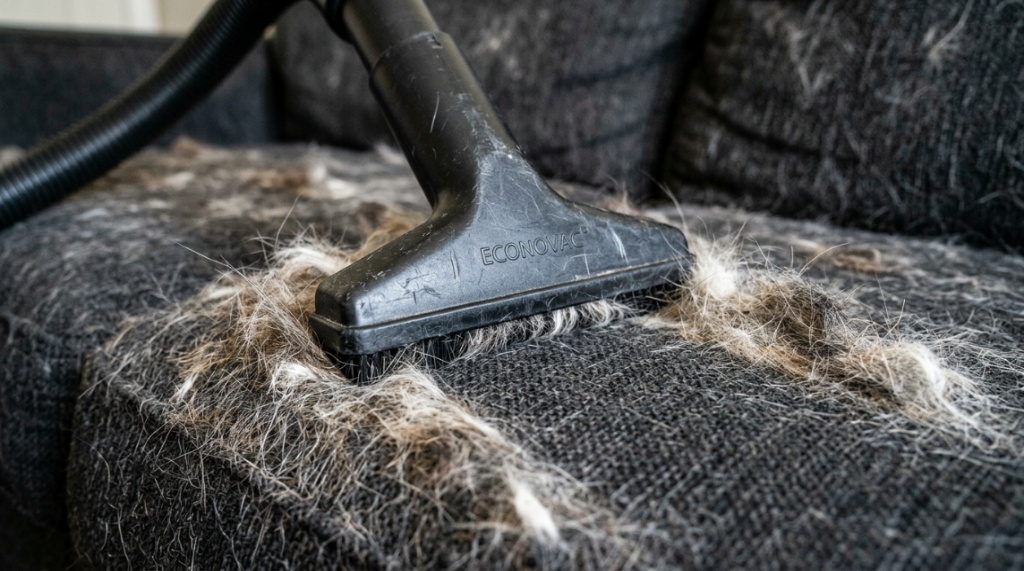
Stick to well-known retailers like Walmart, Target, and Amazon. Check the “sold by” and “ships from” information to avoid third-party sellers that send counterfeit items with no warranty. Use price comparison tools like Google Shopping to see different offers. Always read the reviews on the listing itself, not just the overall star rating. A recently changed model will have negative reviews that older stock doesn’t.
Verifying Authenticity and Warranty
Legitimate vacuums come in sealed boxes with clear model numbers. If a price seems too good to be true, it might be a refurb model sold as new. Check the seller’s return policy before clicking. Many budget vacuums ship partially assembled, so you will need a screwdriver for the handle. Read the manual to ensure you are assembling correctly, as a loose handle can affect suction. Do not buy from an unknown website offering discounts—you risk losing your money entirely.
Shipping Costs and Handling
Large vacuums cost money to ship. Look for “free shipping” flags on your doorstep. If you are in a rural area, shipping can take a week or more. Pay attention to whether the item ships in original packaging or in a plain box. A vacuum in original packaging is more likely to arrive without dents. Once it arrives, unbox carefully and save the packaging until you are sure it works, in case you need to return it.
Step-by-Step Guide to Testing Your New Vacuum on Pet Hair
When your new vacuum arrives, do not just plug it in and start rolling. First, vacuum a small area of low-pile carpet. Look at the brush roll—does hair wrap around it within 5 minutes? Then, vacuum a completely dry area of hard floor to check for scattering. Finally, clean a high-traffic area of your rug where pet hair is deepest. This three-part test takes only 15 minutes and tells you everything you need to know about the vacuum’s performance.
Testing Suction on Embedded Dirt
Spread a teaspoon of flour on a carpet and vacuum it slowly with one pass. If the flour disappears without leaving a trail, the suction is strong. If you see flour residue along the edges of the vacuum path, the airflow is weak. Also, listen for the motor pitch—a whining noise indicates a clog or blockage. A steady hum is normal.
Evaluating the Brush Roll Tangle Factor
Take a handful of dog hair (from a brush) and drop it on the carpet. Vacuum it up, then immediately turn the vacuum over and look at the roller. If hair is wrapped tightly around the entire axis, you will be unlucky to get it off without scissors. A good budget vacuum should leave only a few strands that are easily plucked off. This test is crucial for long-haired breeds.
Checking the Filter Seal
Run the vacuum for 10 minutes in a sunny room. Place your hand near the exhaust—if you feel a strong particle spray, the filter is not sealing properly. Even a cheap vacuum should not blow visible dust back. If it does, return it immediately, as it will just spread allergens around your home.
Frequently Asked Questions
Is it better to buy a bagged or bagless vacuum for pet hair?
Bagged vacuums are better for severe allergies and require less contact with dust. However, bagless vacuums save you money on recurring bag purchases. For budget pet owners, a bagless model with a washable HEPA filter is the most cost-effective way to handle fur without ongoing costs.
Can a cheap vacuum handle a heavy-shedding dog like a lab?
Yes, but you will need to empty the bin frequently and clean the brush roll weekly. A cheap vacuum handles the shedding, but it lacks the capacity to go a long time between cleanings. Regular maintenance is key to performance.
What is the difference between a pet hair vacuum and a regular vacuum?
Pet vacuums typically include a hair-tangle-resistant brush roll, a more powerful motor, and a HEPA filter. Regular vacuums may get clogged easily and spread dander. The main difference is the brush roll design and the quality of the filter seal.
How often should I replace the HEPA filter in a budget vacuum?
Most washable HEPA filters last 6 to 12 months—not the 3 months advertised by companies. You should wash it monthly with water and let it air dry completely. If you vacuum heavily, the filter will break down sooner, so replace it when the suction drops.
Are cordless stick vacuums strong enough to pick up pet hair from carpets?
Only the expensive models (over $300) have enough suction for deep carpets. Cheaper cordless sticks are fine for hard floors and low-pile rugs, but they will struggle to pull out dog hair embedded in thicker carpet. For carpets, choose an upright or a powerful plug-in canister.
Conclusion
Finding a cheap pet hair vacuum in Texas is about knowing what specs to prioritize and which marketing gimmicks to ignore. You do not need to spend $500 to get a clean home. Focus on a true HEPA filter, a tangle-resistant brush roll, and sealed construction. Buy during seasonal sales, test it thoroughly when it arrives, and maintain it with regular cleaning of the filters and rollers. With a little patience and research, your flooring will be fur-free without wrecking your monthly budget. Start your hunt with a clear list of must-haves, and you will find a model that makes you wonder why you ever considered those overpriced premium brands.