
Creating a peaceful home environment starts with thoughtful furniture arrangement. Wabi sabi, the Japanese philosophy celebrating imperfection and simplicity, offers a refreshing approach to interior design. This aesthetic embraces natural materials, organic shapes, and the beauty of aging objects. Therefore, applying wabi sabi principles to your furniture layout can transform any space into a calming sanctuary.
Understanding Wabi Sabi in Modern Interiors
Wabi sabi finds beauty in the imperfect and incomplete. Unlike minimalism, which often feels stark, wabi sabi interiors feel warm and lived-in. The philosophy values authenticity over perfection. Additionally, it encourages us to appreciate the marks of time and use on our belongings.
Natural textures play a central role in this design approach. Wood with visible grain, handmade ceramics with slight irregularities, and weathered metals all embody wabi sabi values. Moreover, the color palette tends toward earthy, muted tones that create visual harmony.
Creating Open Flow with Minimal Furniture
Less truly becomes more when arranging furniture in wabi sabi style. Start by removing unnecessary pieces from your space. Each item should serve a purpose or bring genuine joy. However, this doesn’t mean your rooms should feel empty or cold.
Strategic placement creates breathing room between furniture pieces. Leave generous walkways and avoid pushing everything against walls. Instead, float furniture in conversational groupings. This approach encourages natural movement through your home while maintaining an uncluttered feel.
Consider the negative space as important as the furniture itself. Empty areas allow the eye to rest and create a sense of calm. Therefore, resist the urge to fill every corner with decorative objects or additional seating.
Embracing Low-Profile Seating Arrangements
Low furniture naturally promotes relaxation and groundedness. Platform beds, floor cushions, and low-slung sofas create intimate, comfortable spaces. These pieces also make rooms appear more spacious by drawing the eye horizontally rather than vertically.
Floor seating options work particularly well in living rooms and meditation spaces. Large cushions, zabutons, or poufs can be arranged around a low coffee table. Additionally, these pieces offer flexibility for different activities and gathering sizes.
Japanese-style futons or platform beds without headboards suit bedrooms perfectly. Keep nightstands low or eliminate them entirely in favor of small side tables. This arrangement creates a serene sleeping environment free from visual clutter.
Incorporating Handcrafted and Aged Pieces
Vintage and antique furniture fit naturally into wabi sabi interiors. A weathered wooden table tells a story through its scratches and patina. Similarly, a hand-carved chair with slight asymmetry adds character and warmth.
Mix old and new pieces thoughtfully throughout your space. An antique cabinet might sit beside a contemporary sofa in natural linen. The contrast highlights the unique qualities of each item. However, maintain cohesion through consistent materials and earthy colors.
Support artisan craftspeople by choosing handmade furniture when possible. According to Architectural Digest, handcrafted pieces bring authenticity and soul to interior spaces. Imperfections in handmade items reflect the maker’s human touch, which perfectly aligns with wabi sabi values.
Arranging Around Natural Light Sources
Position furniture to maximize natural light without blocking it. Place seating near windows where occupants can enjoy views and sunlight. However, avoid arranging furniture directly in harsh afternoon sun, which can cause discomfort and fading.
Sheer curtains or bamboo blinds filter light beautifully while maintaining privacy. These window treatments soften harsh rays and create a gentle, diffused glow. Additionally, they add natural texture to your space.
Create reading nooks or meditation corners in naturally lit areas. A simple chair beside a window becomes an inviting retreat. Therefore, observe how light moves through your home throughout the day and arrange furniture accordingly.

Selecting Natural Material Furniture
Wood remains the cornerstone of wabi sabi furniture design. Choose pieces in oak, walnut, teak, or reclaimed wood. The visible grain patterns and natural variations add organic beauty to your layout.
Woven materials like rattan, bamboo, and jute introduce additional texture. These sustainable options work well for chairs, storage baskets, and room dividers. Moreover, they age gracefully, developing richer tones over time.
Stone and concrete elements can ground a space when used sparingly. A concrete side table or stone-topped console adds weight and permanence. However, balance these heavier materials with softer textiles and warm wood tones.
Creating Zones Without Visual Barriers
Define different areas in open-plan spaces using furniture placement rather than walls. Angle a sofa to delineate a living area from a dining space. Similarly, a bookshelf can suggest separation while maintaining visual flow.
Area rugs serve as excellent zone markers in wabi sabi interiors. Choose rugs in natural fibers like wool, jute, or sisal. These materials add warmth underfoot and define specific areas without disrupting the overall serenity.
Maintain sightlines between zones to preserve the sense of openness. Avoid tall furniture pieces that block views across the space. Instead, use low bookcases or console tables as subtle dividers.
Balancing Asymmetry in Your Layout
Perfect symmetry feels too formal for wabi sabi aesthetics. Instead, create balanced arrangements that feel organic and unforced. Two different chairs can flank a fireplace rather than matching armchairs.
Vary furniture heights and depths to create visual interest. A tall plant stand might balance a low coffee table across the room. However, ensure the overall composition feels harmonious rather than chaotic.
Embrace the beauty of odd numbers when grouping items. Three cushions on a sofa or five objects on a shelf create more dynamic, natural-looking arrangements than even numbers.
Integrating Storage with Intention
Visible storage becomes part of the design in wabi sabi interiors. Open shelving in natural wood displays carefully curated objects. However, avoid overcrowding shelves, which creates visual noise.
Choose storage furniture with simple, clean lines. A rustic wooden cabinet or woven basket system keeps belongings organized while contributing to the aesthetic. Additionally, these pieces can serve as focal points in your layout.
According to The New York Times, thoughtful storage solutions reduce stress by minimizing clutter. Select multifunctional furniture pieces that provide storage without compromising the serene atmosphere.
Adding Organic Shapes and Curves
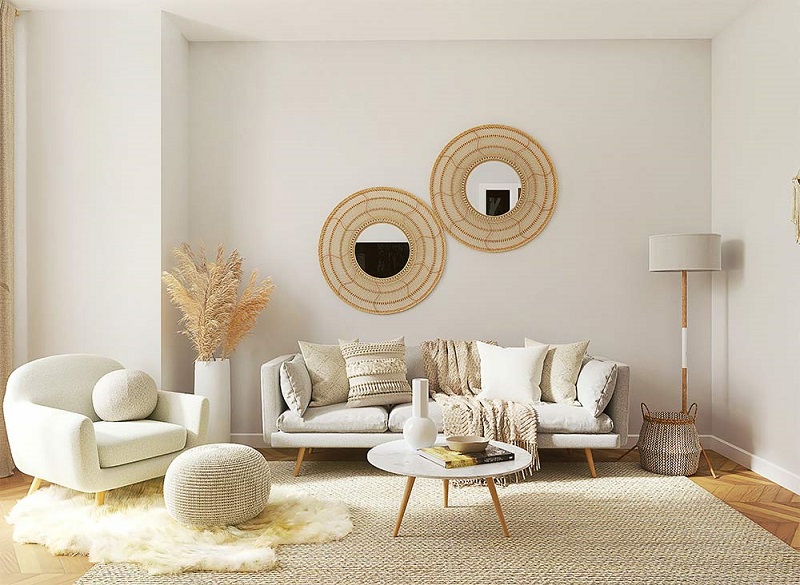
Incorporate furniture with rounded edges and flowing lines. Oval coffee tables, curved sofas, and circular mirrors soften the geometry of your space. These organic shapes feel more welcoming than sharp angles.
Balance curved pieces with some linear elements to avoid visual confusion. A round dining table might sit atop a rectangular rug, for example. This interplay creates harmony while maintaining interest.
Natural, irregular shapes in wooden furniture pieces add authenticity. A live-edge dining table or an irregularly shaped stool celebrates the original form of the tree.
Conclusion
Wabi sabi furniture layout transforms interiors into peaceful retreats that honor natural beauty and imperfection. By embracing minimal arrangements, low-profile pieces, and natural materials, you create spaces that feel both serene and authentic. The philosophy encourages thoughtful placement over abundance, handcrafted items over mass production, and organic flow over rigid symmetry. Additionally, incorporating aged pieces and celebrating their imperfections adds depth and character to your home. Ultimately, wabi sabi design invites you to slow down, appreciate simplicity, and find beauty in the imperfect nature of everyday life.
Frequently Asked Questions
What is the main principle of wabi sabi furniture arrangement?
The main principle emphasizes simplicity, natural materials, and embracing imperfection. Furniture should be arranged with breathing room between pieces, creating open flow and visual calm rather than filling every space.
Can wabi sabi style work in small apartments?
Absolutely. Wabi sabi actually works exceptionally well in small spaces because it prioritizes essential pieces and avoids clutter. Low-profile furniture and minimal arrangements make small rooms feel more spacious and serene.
What colors work best for wabi sabi furniture?
Earthy, muted tones work best, including warm grays, soft beiges, natural wood tones, and subdued greens. These colors create a calming atmosphere and allow the textures and forms of furniture to take center stage.
How do I mix old and new furniture in wabi sabi style?
Mix pieces by maintaining consistent materials and color palettes rather than matching styles. An antique wooden table can pair beautifully with a modern linen sofa if both feature natural materials and earthy tones.
Is wabi sabi the same as minimalism?
No, though they share some similarities. Minimalism tends toward stark simplicity, while wabi sabi embraces warmth, texture, and the beauty of aged, imperfect items. Wabi sabi feels more lived-in and organic than strict minimalism.
Related Topics:
Deep Dive Into the Calmness and Elegance of Velvet Fabrics