
In today’s tech-driven world, safeguarding your home goes beyond sturdy locks and watchful neighbors. Smart home security systems have emerged as a powerful tool for peace of mind, offering remote monitoring, automated features, and a sense of control over your property. But with a plethora of options available, choosing the right system can feel overwhelming. This guide delves into the world of smart home security systems, comparing features and pricing to help you find the perfect fit for your needs and budget.
Understanding Your Security Needs
Before diving into specific systems, it’s crucial to understand your security priorities. Consider these factors:
- Size and layout of your home: A larger home might require more sensors and a more comprehensive system.
- Budget: Smart home security systems range from DIY setups to professionally monitored options, impacting the overall cost.
- Desired features: Do you prioritize 24/7 professional monitoring, remote access capabilities, or integration with smart home devices?
- Technical comfort level: Some systems require more technical knowledge for installation and configuration.
Breaking Down the Features: A Security Buffet
Smart home security systems offer a variety of features, but some of the most common include:
- Self-monitoring vs. Professional monitoring: Self-monitoring allows you to receive alerts and manage the system yourself, while professional monitoring provides 24/7 oversight by a security company that can dispatch emergency services if needed.
- Mobile app control: Most systems offer smartphone apps for remote monitoring, arming and disarming the system, and viewing live camera feeds.
- Smart home integration: Many systems integrate with other smart home devices like lights, thermostats, and doorbells, allowing for automated security responses.
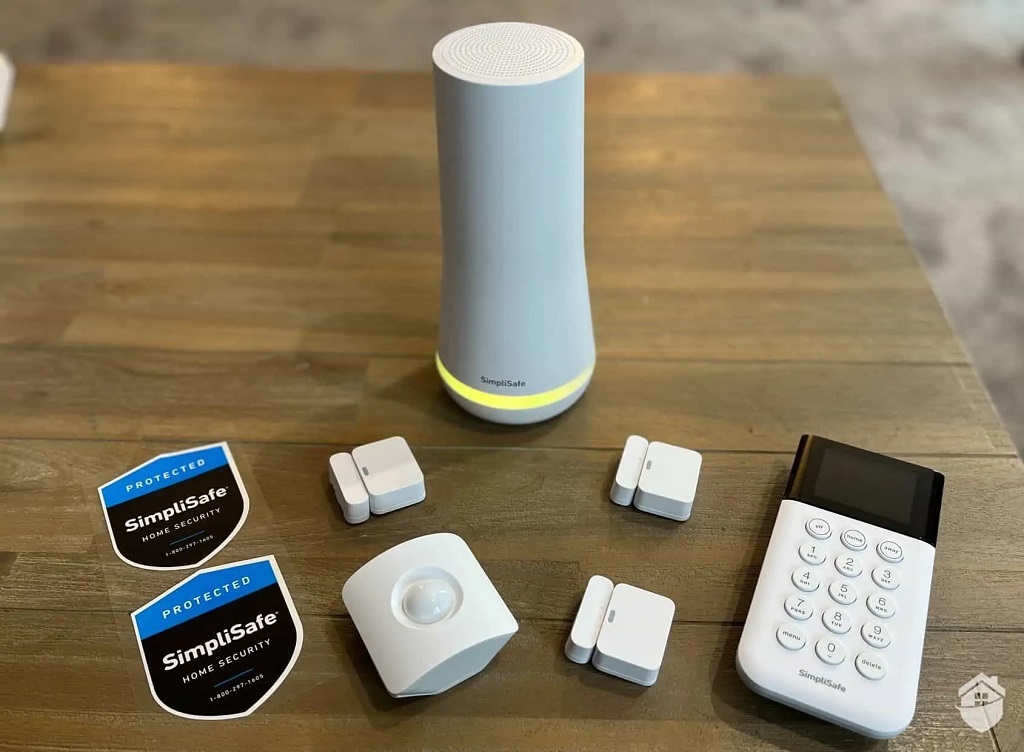
- Security sensors: Door and window sensors detect unauthorized entry, while motion sensors can trigger alarms when movement is detected inside the home.
- Security cameras: Live video feeds from strategically placed cameras provide real-time visual verification of any activity.
Comparing Popular Smart Home Security Systems: A Head-to-Head Matchup
Here’s a breakdown of some of the leading smart home security systems, highlighting their key features and pricing structures:
- ADT: A household name in security, ADT offers professionally monitored systems with customizable equipment packages. They often require professional installation, leading to higher upfront costs but potentially lower monthly fees compared to some self-monitored systems.
- SimpliSafe: A popular DIY option, SimpliSafe offers a user-friendly system with a variety of sensors and self-monitoring capabilities. They also provide optional professional monitoring plans for an additional monthly fee.
- Ring Alarm: Known for their video doorbells, Ring Alarm boasts a focus on affordability and self-monitoring. Their system is easy to install and integrates seamlessly with other Ring products. However, some users may miss the option of professional monitoring.
- Abode: A unique option, Abode offers a modular system that allows you to customize components and choose between self-monitoring and professional monitoring plans. This flexibility can be appealing to those who want a tailored security solution.
- Vivint: Known for professional installation and home automation integration, Vivint offers comprehensive systems with a focus on smart home convenience. However, their upfront costs and contracts can be higher compared to some DIY options.
Pricing Considerations: Beyond the Sticker Shock
When evaluating pricing, consider both upfront costs and ongoing expenses. Here’s a breakdown of what to factor in:
- Equipment costs: The cost of sensors, cameras, and other hardware can vary depending on the system and the number of components you choose.
- Installation fees: Some systems require professional installation, which adds an upfront cost. DIY systems can be installed by yourself, saving on installation fees.
- Monitoring fees: Professionally monitored systems come with monthly fees that cover the cost of 24/7 monitoring and emergency dispatch services. Self-monitored systems typically have no monthly monitoring fees, but some may offer optional professional monitoring for an additional cost.
- Contract terms: Some professional monitoring plans require contracts, which can lock you into a specific price for a set period. Be sure to review contract terms before signing up.
Making an Informed Decision: Your Security, Your Choice
There’s no single “best” smart home security system – the ideal choice depends on your individual needs and budget. Consider the following tips when making your decision:
- Prioritize your needs: Identify the features most important to you, whether it’s professional monitoring, affordability, or smart home integration.
- Compare pricing structures: Look beyond the upfront cost and factor in ongoing monitoring fees and contract terms.
- Read reviews: Research online reviews and user experiences with different systems to gain valuable insights.
- Consider your DIY skills: If you’re comfortable with technology, a DIY system like SimpliSafe or Abode might be a good fit. However, if you prefer professional installation, ADT or Vivint could be better options.
- Think about future needs: If you plan to expand your smart home ecosystem in the future, choose a system that integrates well with other smart devices.
- Get quotes: Contact different security companies or retailers to get quotes on equipment, installation (if applicable), and monitoring plans. This will help you compare pricing across different options.
Beyond the Basics: Additional Security Considerations
While smart home security systems offer a powerful layer of protection, they’re not a silver bullet. Here are some additional security measures to consider:
- Strong passwords and encryption: Use strong passwords for your security system and home Wi-Fi network to deter hacking attempts. Look for systems that offer encryption for secure data transmission.
- Visible security measures: Security signs, deterrent stickers, and well-lit entryways can deter potential burglars.
- Neighbors and community: Build relationships with your neighbors and consider forming a neighborhood watch program for increased vigilance.

The Future of Smart Home Security: A Connected Ecosystem
The future of smart home security is all about seamless integration and intelligent automation. As technology advances, we can expect to see systems that:
- Learn your routines: Systems that adapt to your daily habits and automatically adjust security settings for optimal protection.
- Offer personalized alerts: Receive alerts for suspicious activity based on unusual patterns or unexpected movement.
- Work in synergy with other smart devices: Imagine lights turning on automatically when motion is detected, or smart locks engaging when you leave the house.
Related: The Unstoppable Trend of Portable Marquees in Event Planning
Securing Your Peace of Mind: A Smart Investment
Investing in a smart home security system is an investment in peace of mind. By understanding your needs, comparing features and pricing, and taking additional security measures, you can create a layered defense that protects your home and your loved ones. With the right system in place, you can enjoy the convenience of remote monitoring, automated security features, and the confidence that comes with knowing your home is secure, even when you’re away.