The world of houseplants offers a dazzling variety, but air plants (Tillandsias) hold a unique charm. These botanical marvels thrive without soil, drawing moisture and nutrients from the air. Their sculptural forms and stunning blooms make them conversation starters in any home. But for new plant parents, caring for these seemingly unconventional beauties can be daunting. Fear not! This ultimate guide equips you with the knowledge to create a thriving air plant oasis in your own home.
Unveiling the Allure of Air Plants: A Botanical Introduction
Air plants hail from Central and South America, where they cling to trees and rocks in rainforests and cloud forests. They’ve adapted to absorb moisture and nutrients through tiny structures called trichomes on their leaves. This unique characteristic eliminates the need for soil, making them ideal for those with limited space or a penchant for unique décor.
Air Plant Diversity:
The Tillandsia family boasts over 650 species, offering a kaleidoscope of shapes, sizes, and colors. Some popular varieties include:
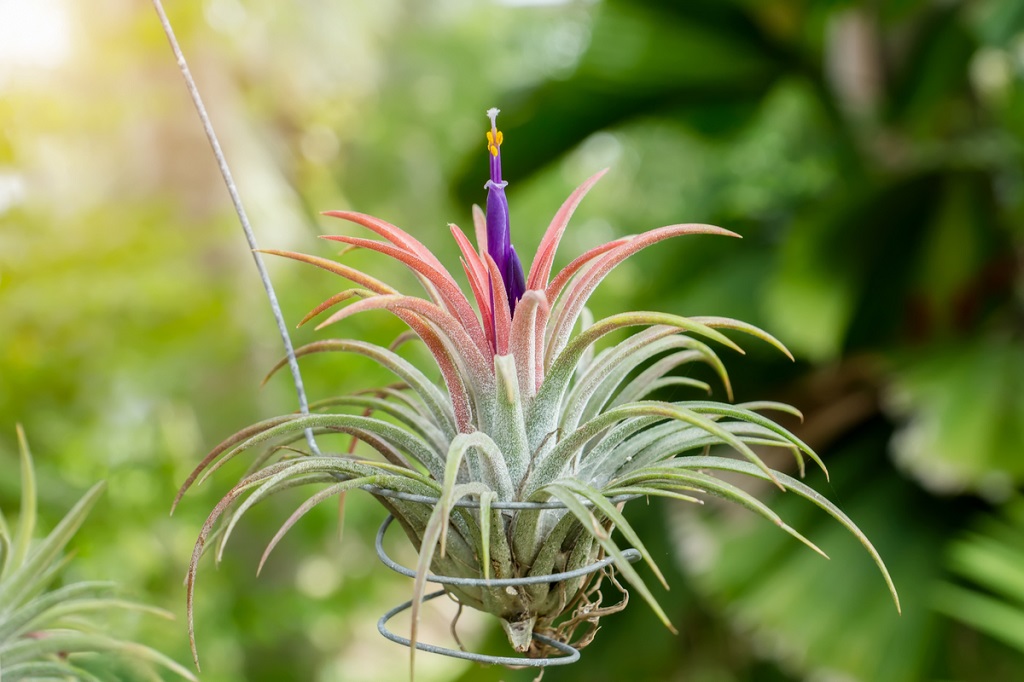
- Tillandsia Ionantha: A classic, with silvery-green leaves and a vibrant pink or purple bloom.
- Tillandsia Capitellata: Nicknamed “Fuzzy Wuzzy” for its fuzzy gray leaves.
- Tillandsia Xerographica: The “Old Man’s Beard” air plant, with long, curling, silvery-green leaves.
- Tillandsia Bulbosa: Features bulbous, green leaves with a dramatic red inflorescence (flowering stalk).
Cultivating Contentment: Essential Air Plant Needs
While air plants are low-maintenance, understanding their basic needs is crucial for their well-being. Here’s what your tillandsias crave:
- Light: Most air plants prefer bright, indirect sunlight. Avoid the harsh afternoon sun, which can scorch the leaves. East or north-facing windows provide ideal lighting conditions.
- Water: Unlike traditional houseplants, air plants don’t require constant watering in soil. Instead, simulate their natural environment by soaking them thoroughly. Submerge them in room-temperature water for 15-30 minutes, then shake off excess moisture and allow them to dry completely upside down before placing them back in their display. The frequency of watering depends on factors like light, temperature, and air circulation. During hot, dry periods, you might need to soak them more frequently.
- Humidity: Air plants thrive in moderate to high humidity levels (around 50-60%). If your home is dry, consider misting your air plants lightly in between soakings. Grouping them can also help create a more humid microclimate.
- Air Circulation: Good air circulation is essential to prevent rot. Avoid keeping your air plants in stagnant air. Open windows regularly or use a small fan to provide gentle air movement.
Beyond the Basics: Pro Tips for Thriving Tillandsias
Now that you’ve grasped the essentials, here are some pro tips to elevate your air plant care:
- Fertilize Occasionally: While not strictly necessary, a diluted bromeliad fertilizer applied monthly during the growing season (spring and summer) can give your air plants a boost.
- Blooming Beauty: Many air plants produce stunning blooms. When a flower spike emerges, avoid fertilizing and increase watering frequency to support flower development.
- Mounting Magic: Air plants don’t need to be confined to pots. Get creative! Use driftwood, seashells, or decorative air plant holders to create a visually appealing display. Just ensure the chosen medium allows for good air circulation around the plant’s base.
- Puppies on Parade: Mature air plants often produce pups (baby plants). You can separate these pups once they reach about one-third the size of the mother plant.
Troubleshooting Tillandsia Troubles
Even with the best intentions, problems can arise. Here’s how to identify and address common air plant issues:
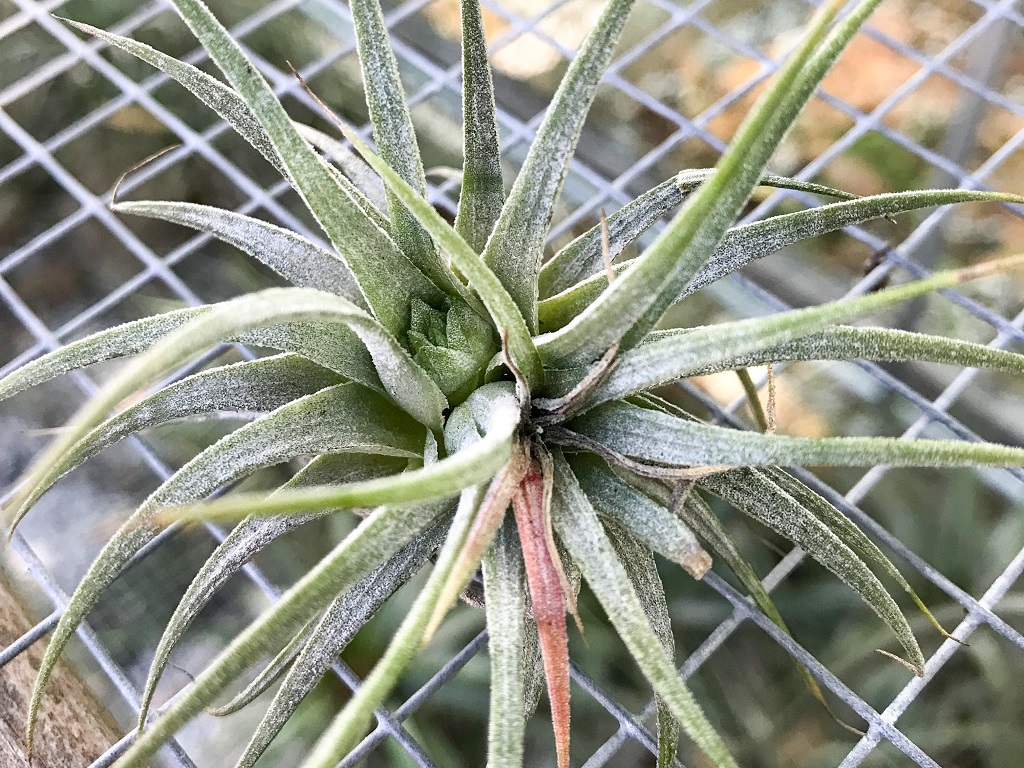
- Brown Leaves: This can be caused by underwatering, overwatering, or too much direct sunlight. Adjust your watering routine and provide appropriate light.
- Mushy Leaves: This indicates rot, usually caused by excessive moisture or poor air circulation. Remove the affected parts and increase air circulation around the plant. Reduce the watering frequency and ensure the plant dries completely after soaking.
- Lack of Blooms: Insufficient light can hinder blooming. Ensure your air plant receives adequate bright, indirect light.
Beyond the Window Sill: Creative Air Plant Applications
The versatility of air plants extends beyond traditional houseplant displays. Here are some inspiring ideas:
- Living Wall Art: Create a vertical garden using air plants mounted on a board or frame. This adds a touch of greenery to any space.
- Terrarium Paradise: Air plants thrive in terrariums, where humidity levels are naturally higher. Craft a miniature world within a glass container using a variety of air plants and decorative elements.
- Air Plant Mobiles: Suspend air plants from a mobile using a fishing line or wire. This creates a whimsical and dynamic display.
- Seashell Sanctuary: Utilize empty seashells as unique air plant holders. This adds a coastal touch to your décor.
Related: From Seed to Supper: Best Practices for a Thriving Vegetable Garden
The Joy of Air Plants: A Rewarding Botanical Adventure
Air plants offer a unique and rewarding addition to your plant collection. With their diverse forms, fascinating needs, and low-maintenance nature, they’re perfect for curious plant enthusiasts and busy individuals alike. By understanding their basic requirements and implementing these helpful tips, you can create a thriving air plant oasis in your home, fostering a connection with these remarkable botanical wonders. So, embrace the adventure, and let your air plants fill your space with beauty and wonder!