

Spaghetti squash, a member of the winter squash family, has become a popular alternative to traditional pasta for those seeking healthy and low-carb options. But beyond its obvious spaghetti-like strands, this versatile vegetable offers a surprisingly delicious blank canvas for a variety of culinary creations. This article delves into the world of spaghetti squash, exploring its health benefits, cooking methods, and a plethora of mouthwatering recipe ideas to transform this humble squash into a delightful surprise.
Unveiling the Nutritional Powerhouse: Benefits of Spaghetti Squash
Spaghetti squash boasts a range of health benefits that make it a valuable addition to your diet. Here’s a glimpse of its nutritional prowess:
- Low in Calories and Carbs: Compared to traditional pasta, spaghetti squash is significantly lower in calories and carbohydrates. This makes it a perfect choice for those watching their weight or following a low-carb diet.
- Fiber Fiesta: Spaghetti squash is a good source of dietary fiber, which promotes gut health and keeps you feeling fuller for longer.
- Vitamin Power: It’s packed with essential vitamins like vitamin A (important for vision and immunity), vitamin C (an antioxidant that boosts the immune system), and vitamin B6 (vital for energy metabolism).
- Mineral Marvel: Spaghetti squash is a source of potassium, a mineral that helps regulate blood pressure, and manganese, which plays a role in enzyme function and metabolism.
From Squash to Spaghetti: Mastering the Art of Cooking Spaghetti Squash
Cooking spaghetti squash is a breeze! Here are two effective methods:
- Roasting: This is the most common and versatile method. Preheat your oven to 400°F (200°C). Cut the spaghetti squash in half lengthwise and scoop out the seeds. Drizzle the flesh with olive oil, season with salt and pepper, and place cut-side down on a baking sheet. Roast for 30-40 minutes, or until tender when pierced with a fork. Once cooked, use a fork to scrape out the flesh, which will separate into spaghetti-like strands.
- Microwaving: For a quicker option, preheat your microwave to high power. Pierce the whole spaghetti squash several times with a fork. Microwave for 5-7 minutes at a time, turning it over after each interval, until tender. Once cooked, follow the same steps as with roasting to create spaghetti strands.
Beyond the Basics: Tips for Perfect Spaghetti Squash
Here are some additional tips to ensure your spaghetti squash experience is a success:
- Choosing the Right Squash: Look for a firm, heavy spaghetti squash with smooth, unblemished skin. A yellowish or orange color often indicates riper squash, which will yield sweeter and softer flesh.
- Don’t Overcook: Overcooked spaghetti squash becomes mushy. Aim for tender flesh that retains a slight bite.
- Flavor Boosters: While roasting brings out the natural sweetness, feel free to experiment with different seasonings. Try herbs like rosemary or thyme, spices like chili flakes or garlic powder, or a drizzle of balsamic vinegar.
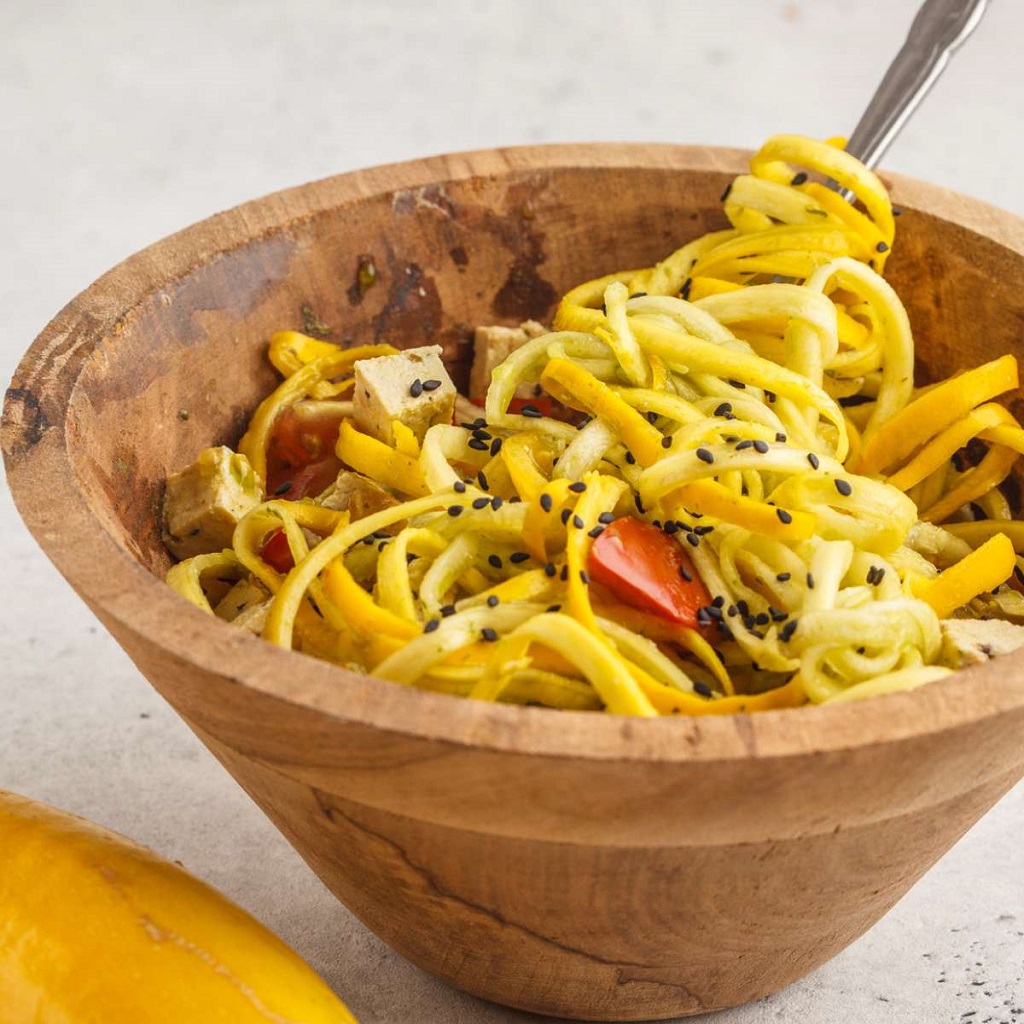
Spaghetti Squash Surprise: A Symphony of Flavorful Dishes
Now that you’ve mastered the cooking techniques, let’s explore a variety of delicious ways to incorporate spaghetti squash into your meals:
- Classic “Spaghetti” Dishes: This is where spaghetti squash shines! Toss the cooked strands with your favorite marinara sauce and meatballs for a healthy and satisfying pasta substitute. Explore vegetarian options with a creamy pesto sauce or a light tomato sauce with roasted vegetables.
- Stuffed Squash Delights: Hollow out the cooked squash and use it as a vessel for a flavorful filling. Try a cheesy chicken sausage and spinach stuffing, a vegetarian lentil and quinoa bake, or a Mexican-inspired black bean and corn filling. Top with cheese and bake until bubbly for a complete and comforting meal.
- Fritters and Frittatas: Diced cooked spaghetti squash adds a delightful textural element to fritters and frittatas. Combine it with grated vegetables, cheese, and eggs for a protein-packed breakfast or a light lunch option.
- Soups and Salads: Shredded cooked spaghetti squash adds a touch of sweetness and heartiness to soups and salads. Use it in a creamy butternut squash soup, a vibrant summer salad, or a hearty chicken noodle soup for a textural twist.
- Sweet Surprise: Spaghetti squash isn’t just for savory dishes! Roasted spaghetti squash can be a base for a delicious dessert. Try tossing the cooked strands with cinnamon and maple syrup for a warm and comforting treat.
Embracing the Versatility: A World of Spaghetti Squash Possibilities
Spaghetti squash offers endless possibilities for exploration in the kitchen. Its versatility makes it a perfect ingredient for incorporating more vegetables into your diet without
sacrificing taste or satisfaction. With its impressive nutritional profile and ability to transform into a variety of dishes, spaghetti squash can be a welcome addition to any meal plan. So, unleash your inner culinary adventurer, embrace the “surprise” element of this unique vegetable, and explore the world of delicious possibilities that spaghetti squash has to offer!
Related: How to Choose the Best Pans for Cooking Fish
Here are some additional ideas to spark your creativity:
- Global Flavors: Get adventurous! Use cooked spaghetti squash as a base for dishes inspired by different cuisines. Think Thai curry with vegetables and tofu, Indian-style stir-fry with chickpeas and spices, or a Mexican street corn salad with black beans and avocado.
- Hidden Veggie Hack: For picky eaters, cooked and shredded spaghetti squash can be a clever way to sneak in extra vegetables. Add it to macaroni and cheese, meatloaf, or even your favorite tomato sauce for a hidden veggie boost.
- Leftover Magic: Leftover roasted spaghetti squash can be easily repurposed into new dishes. Sauté it with garlic and herbs for a quick side dish, or add it to scrambled eggs for a protein-packed breakfast.
Embrace the versatility of spaghetti squash and let it become a staple in your healthy and delicious culinary creations!