

Grilling season is upon us, and what better way to celebrate than with succulent, flavorful chicken? While marinades offer a burst of flavor, bringing your chicken brine for grilling to new heights. This ancient technique, often overlooked in modern cooking, unlocks the true potential of your poultry, resulting in juicy, tender meat infused with deliciousness.
The Science Behind Brining
Brining is a simple process of soaking chicken in a saltwater solution, often infused with additional flavorings. The salt in the brine works its magic through osmosis, drawing water into the chicken’s muscle fibers. This not only adds moisture but also alters the protein structure, resulting in enhanced tenderness. Additionally, the flavorings in the brine penetrate the meat, imparting a depth of taste that goes beyond the surface.
Why Chicken Brine for Grilling?
Enhanced Juiciness: Brining is the ultimate secret weapon for combatting dry, overcooked chicken. The added moisture from the brine helps the meat retain its juices during grilling, ensuring a succulent and satisfying bite.
Unparalleled Flavor: The brine acts as a flavor delivery system, infusing the chicken with savory notes from the salt and any additional ingredients you choose. This results in a more complex and well-rounded flavor profile that elevates your grilled chicken experience.
Tenderness Unleashed: Brining not only adds moisture but also breaks down some of the muscle proteins, resulting in a noticeable improvement in tenderness. This is particularly beneficial for lean cuts of chicken that tend to dry out easily on the grill.
Chicken Brine for Grilling: Crafting
The beauty of brining lies in its simplicity and versatility. You can create a basic brine with just salt and water or get creative with an array of flavor enhancers. Here’s a basic brine recipe to get you started:
Ingredients:
- 1 gallon of water
- 1 cup kosher salt
- 1/2 cup sugar (optional, for a hint of sweetness)
- Additional flavorings (see suggestions below)
Instructions:
- Dissolve the salt and sugar in the water, stirring until completely dissolved.
- Add your desired flavorings (see suggestions below).
- Submerge the chicken in the brine, ensuring it’s fully covered.
- Refrigerate the chicken in the brine for 4-12 hours, depending on the size of the cuts.
- Remove the chicken from the brine, rinse thoroughly, and pat dry.
- Grill your chicken as usual, enjoying the juicy, flavorful results.
Flavor Enhancers: Unleash Your Creativity in Chicken Brine for Grilling
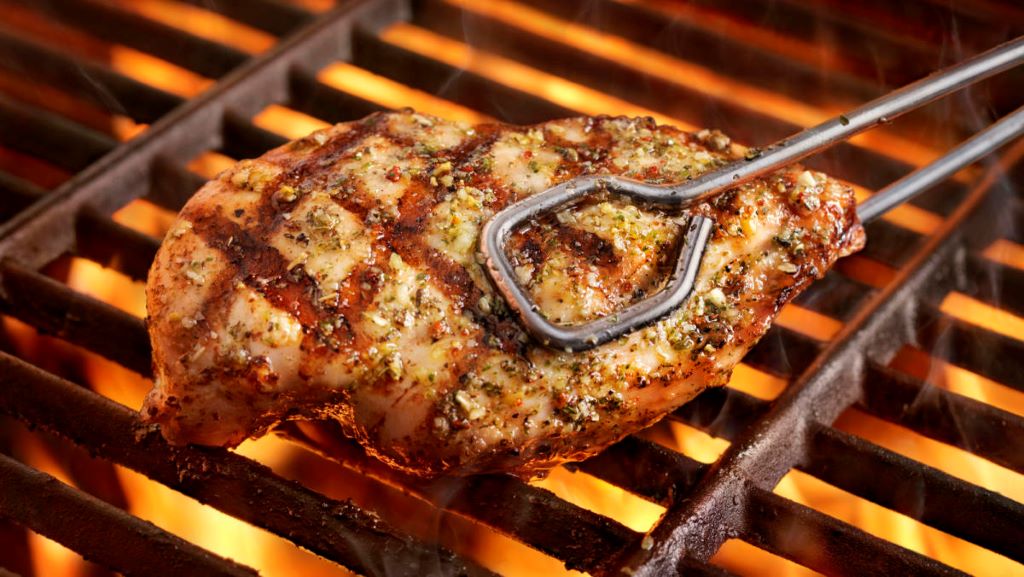
While a basic brine is effective on its own, adding complementary flavors can elevate your grilled chicken to gourmet status. Here are some popular additions:
- Herbs and Spices: Fresh or dried herbs like thyme, rosemary, sage, and bay leaves infuse the brine with aromatic flavors. Whole spices like peppercorns, coriander seeds, and juniper berries add complexity.
- Citrus: Slices of lemon, lime, or orange brighten the brine with zesty notes and contribute a subtle sweetness.
- Garlic: Crushed or whole garlic cloves add a pungent warmth that complements the savory flavors of the chicken.
- Ginger: Grated or sliced ginger adds a subtle spiciness and a hint of sweetness.
- Honey or Maple Syrup: A touch of honey or maple syrup balances the saltiness of the brine and adds a depth of flavor.
- Soy Sauce or Fish Sauce: These umami-rich ingredients add a savory dimension and enhance the overall complexity of the brine.
Spaghetti Squash Surprise: Delicious and Nutritious Ways to Prepare This Versatile Veggie
Brining Tips and Tricks
- Brining Time: The optimal brining time depends on the size of the chicken cuts. Smaller pieces like boneless, skinless breasts may only need 4-6 hours, while whole chickens can benefit from 8-12 hours or even overnight.
- Brining Container: Use a non-reactive container like glass, stainless steel, or food-grade plastic to avoid any unwanted chemical reactions with the brine.
- Refrigeration: Always brine your chicken in the refrigerator to prevent bacterial growth.
- Rinsing and Drying: Thoroughly rinse the chicken after brining to remove excess salt. Patting it dry helps ensure a crisp, golden skin when grilling.
- Don’t Oversalt: Be mindful of the salt content of your brine, especially if you’re using additional salty ingredients like soy sauce or fish sauce.
- Experiment and Enjoy: Brining is an adventure, so don’t be afraid to experiment with different flavor combinations and find your perfect recipe.
Related: Plant-Powered Plates: A Beginner’s Guide to Incorporating More Plants into Your Weekly Meal Plan
Beyond Chicken: Brining Other Meats
While chicken is a prime candidate for brining, this technique can also be applied to other meats like pork, turkey, and even fish. Each type of meat requires specific brining times and flavor combinations, so be sure to do your research and tailor the brine accordingly.
Embrace the Art of Brining
Brining is more than just a cooking technique; it’s an art that elevates the simplest of ingredients to extraordinary heights. By understanding the science behind bringing and experimenting with flavors, you can unlock a new level of deliciousness in your grilled chicken. So, fire up the grill, gather your ingredients, and embark on a culinary adventure that will transform your backyard barbecues into unforgettable feasts.