
The allure of commercial real estate lies in its potential for consistent income and long-term appreciation. But navigating this complex market requires a keen understanding of key metrics, with the capitalization rate (cap rate) standing out as a critical indicator of a property’s profitability. So, what exactly constitutes a “good” cap rate, and how can investors leverage this knowledge to make informed decisions? Let’s delve into the intricacies of this crucial metric.
Understanding the Cap Rate: A Fundamental Metric
The cap rate is essentially a property’s annual net operating income (NOI) divided by its current market value or purchase price. It provides a quick snapshot of a property’s potential return on investment, assuming it’s purchased with all cash.
Cap Rate=Property Value or Purchase PriceNet Operating Income (NOI)
NOI represents the property’s income after deducting operating expenses, such as property taxes, insurance, and maintenance, but before factoring in mortgage payments or income taxes.
Factors Influencing a “Good” Cap Rate
Defining a universal “good” cap rate is impossible, as it’s highly dependent on various factors, including:
- Property Type:
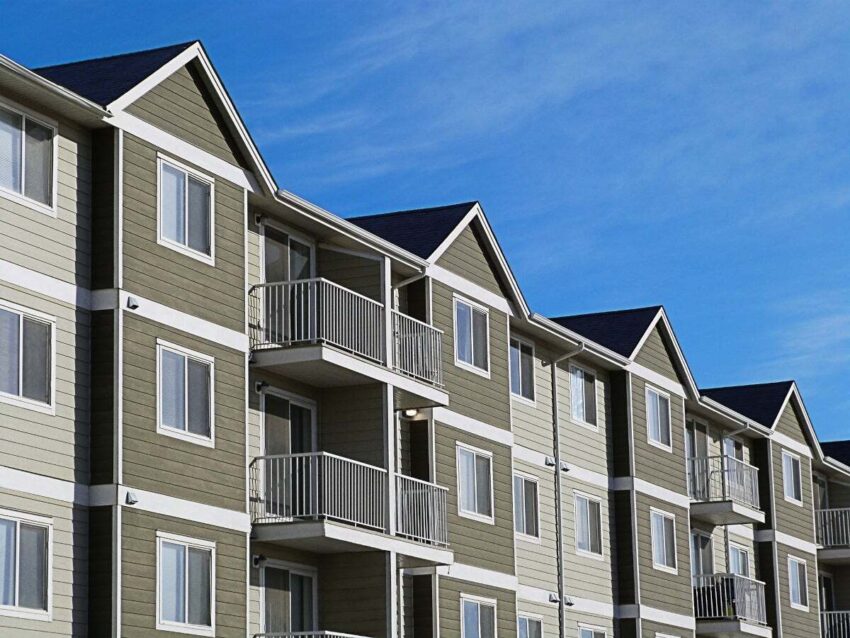
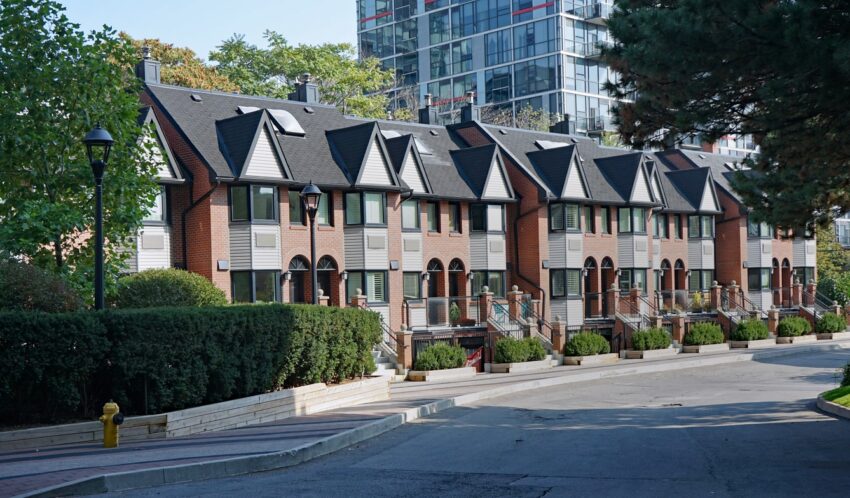
- Multifamily: Typically, multifamily properties tend to have lower cap rates compared to other commercial real estate sectors, reflecting their relative stability and consistent demand. In prime urban areas, cap rates might range from 4% to 6%, while in secondary or tertiary markets, they could be higher, around 6% to 8% or more.
- Retail: Retail cap rates can vary significantly depending on the tenant quality, lease terms, and location. A grocery-anchored shopping center in a desirable area might have a lower cap rate (6% to 8%), while a single-tenant retail building in a less desirable location might command a higher cap rate (8% to 10% or more).
- Office: Office cap rates are influenced by factors like building quality, tenant creditworthiness, and market demand. Prime office buildings in central business districts might exhibit cap rates in the 5% to 7% range, while older or less desirable office spaces could have cap rates above 8%.
- Industrial: Industrial properties, particularly warehouses and distribution centers, have seen increasing demand due to the growth of e-commerce. Cap rates in this sector can range from 6% to 9%, depending on the location and tenant quality.
- Location:
- Primary Markets (e.g., New York, Los Angeles, San Francisco): These markets typically exhibit lower cap rates due to high demand and limited supply. Investors are often willing to accept lower returns for the security and long-term appreciation potential in these markets.
- Secondary and Tertiary Markets: These markets generally offer higher cap rates, reflecting the increased risk and potentially lower demand. However, they can also present opportunities for higher returns for investors willing to take on more risk.
- Submarkets: Even within a single city, cap rates can vary significantly between submarkets. For example, a property in a rapidly developing area might have a lower cap rate due to anticipated future growth.
- Tenant Quality and Lease Terms:
- Creditworthiness: Properties with strong tenants on long-term leases (e.g., national retailers, government agencies) tend to have lower cap rates, as they offer greater stability and predictability of income.
- Lease Length: Longer lease terms provide greater income security, leading to lower cap rates. Conversely, properties with short-term leases or high tenant turnover might command higher cap rates.
- Interest Rates and Economic Conditions:
- Interest Rates: When interest rates rise, cap rates tend to increase as well, as investors demand higher returns to compensate for the increased cost of borrowing.
- Economic Growth: Strong economic growth can lead to increased demand for commercial real estate, driving down cap rates. Conversely, economic downturns can lead to higher cap rates.
- Supply and Demand: The balance between supply and demand for commercial real estate in a particular market significantly influences cap rates. High demand and limited supply tend to drive down cap rates, while excess supply can push them up.
- Property Condition and Age:
- Newer Properties: Newer properties with modern amenities and lower maintenance costs often command lower cap rates.
- Older Properties: Older properties with deferred maintenance or outdated features might have higher cap rates to reflect the increased risk and potential for higher operating expenses.
What Constitutes a “Good” Cap Rate? A Relative Perspective
Instead of focusing on a specific number, investors should consider a “good” cap rate in the context of:
- Market Comparisons: Analyze recent sales of comparable properties in the same market to determine the prevailing cap rates.
- Risk Tolerance: Investors with a higher risk tolerance might be willing to accept higher cap rates in secondary or tertiary markets or for properties with higher risk profiles.
- Investment Goals: Investors seeking stable income might prefer lower cap rates in prime markets, while those seeking higher returns might target higher cap rates in less competitive markets.
Calculating and Using Cap Rates Effectively
Accurately calculating the NOI is crucial for determining a reliable cap rate. This involves:
- Gross Potential Income (GPI): The total potential income a property could generate if fully occupied.
- Vacancy and Credit Loss: Deducting potential losses due to vacancy and uncollected rent.
- Effective Gross Income (EGI): GPI minus vacancy and credit loss.
- Operating Expenses: Deducting all operating expenses, including property taxes, insurance, maintenance, and management fees.
Using Cap Rates for Investment Decisions:
- Property Valuation: Cap rates can be used to estimate a property’s value by dividing the NOI by the prevailing market cap rate.
- Investment Comparison: Cap rates allow investors to compare the potential returns of different properties in the same market.
- Market Trend Analysis: Tracking cap rate trends can provide insights into market conditions and potential future returns.
People Also Ask (FAQs)
-
Is a higher cap rate always better?
- No, a higher cap rate indicates a higher potential return, but it also reflects a higher risk. A lower cap rate suggests a lower risk and more stable income.
-
How does the cap rate differ from the cash-on-cash return?
- The cap rate assumes an all-cash purchase, while the cash-on-cash return considers the impact of financing. Cash-on-cash return is the annual pre-tax cash flow divided by the total cash invested.
-
Can cap rates be used for residential real estate?
- While cap rates are primarily used for commercial real estate, they can be applied to large residential income properties like apartment buildings. However, gross rent multipliers are more commonly used for single-family rentals.
-
How often do cap rates change?
- Cap rates can fluctuate frequently due to changes in interest rates, economic conditions, and market supply and demand.
-
What is a stabilized cap rate?
- A stabilized cap rate uses the projected NOI when a property reaches its full operating potential. This removes temporary factors and provides a better long term view.
Conclusion: Navigating the Cap Rate Landscape
Understanding cap rates is essential for any commercial real estate investor. However, it’s crucial to remember that the cap rate is just one piece of the puzzle. Investors should conduct thorough due diligence, consider all relevant factors, and consult with experienced professionals before making any investment decisions. By carefully analyzing cap rates in the context of market conditions and investment goals, investors can unlock the potential for profitable commercial real estate ventures. Ultimately, a “good” cap rate is one that aligns with an investor’s risk tolerance, investment objectives, and long-term financial strategy.