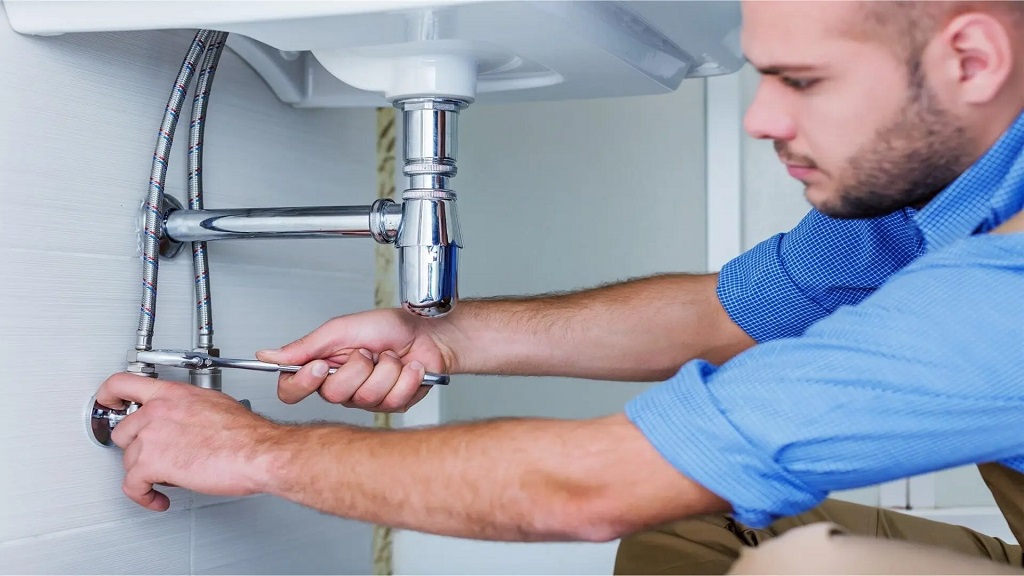

Nothing spoils a relaxing bath faster than standing ankle-deep in murky water that refuses to drain. A clogged bathtub is not only a nuisance but can also lead to bigger plumbing issues if left untreated. While chemical drain cleaners promise a quick fix, they often come with harsh ingredients that can corrode your pipes and harm the environment. Fortunately, there are effective, natural solutions that can help you unclog a bathtub drain without relying on toxic chemicals.
In this article, we’ll guide you through simple and safe methods to clear your bathtub drain, using everyday household items. Whether you’re dealing with hair buildup, soap scum, or residue from bath products, these remedies can make a big difference. For more home maintenance tips and eco-friendly products, be sure to check out Globaeroshop.com, your go-to source for sustainable living.
Why You Should Avoid Chemical Drain Cleaners
It’s tempting to reach for that bright bottle under the sink when your tub won’t drain. But most chemical drain cleaners contain sodium hydroxide (lye), sulfuric acid, or other corrosive substances that can damage your pipes over time—especially if you have older plumbing. Not only are these chemicals tough on your pipes, but they’re also harmful to your health and the environment.
Natural drain cleaning methods are safer, more affordable, and often just as effective. Plus, they’re made with ingredients you probably already have at home. Let’s dive into the best natural methods to unclog a bathtub drain without harmful chemicals.
For a more detailed step-by-step guide, check out this comprehensive article link on https://www.globaeroshop.com/how-to-unclog-a-bathtub-drain , which includes additional tips and product suggestions.
Common Causes of a Clogged Bathtub Drain
Before you get started, it’s helpful to understand why your drain is clogged in the first place. Some of the most common culprits include:
- Hair buildup: One of the biggest causes of drain blockage. Hair combines with soap and other residues to form a stubborn clog.
- Soap scum: Over time, soap can create a thick, sticky layer that narrows the drain pipe.
- Mineral deposits: Hard water can leave behind minerals that contribute to blockages.
- Bath product residue: Oils, salts, and other bath additives can leave a greasy film that slows water flow.
Knowing the root of the problem can help you choose the best method for unclogging your drain naturally.
-
Boiling Water Method
This is one of the simplest natural solutions and a good first step.
How to do it:
- Boil a large pot of water.
- Carefully pour it directly down the drain in two or three stages, allowing a few seconds between pours.
Why it works:
Boiling water helps dissolve soap scum, grease, and minor hair clogs. It’s best for slow-draining tubs rather than fully blocked drains.
Pro tip: Do not use this method if you have PVC pipes, as boiling water can soften or damage them.
-
Baking Soda and Vinegar Combo
A classic and effective natural remedy.
How to do it:
- Pour 1/2 cup of baking soda down the drain.
- Follow with 1 cup of white vinegar.
- Cover the drain with a plug or cloth to contain the fizzing reaction.
- Let it sit for 15–30 minutes.
- Flush with hot water.
Why it works:
This combo creates a chemical reaction that helps break down grime and loosen hair. It’s gentle on pipes but tough on clogs.
-
Salt and Baking Soda
A more abrasive method that can scrub away stubborn residue.
How to do it:
- Mix 1/2 cup of salt and 1/2 cup of baking soda.
- Pour the mixture down the drain.
- Let it sit overnight.
- In the morning, flush with boiling water.
Why it works:
Salt acts as a scrubbing agent while baking soda deodorizes and breaks down blockages. This method is great for tougher clogs.
-
Use a Plunger

Yes, it works on bathtubs too!
How to do it:
- Fill the tub with a small amount of water.
- Cover the overflow drain with a wet cloth to create suction.
- Use a plunger over the drain and pump up and down vigorously.
- Repeat if needed.
Why it works:
A plunger can dislodge physical obstructions like hairballs or solid debris that may be stuck in the trap.
-
Try a Drain Snake or Wire Hanger
If natural solutions aren’t enough, try manually removing the clog.
How to do it:
- Straighten a wire hanger or use a drain snake.
- Carefully insert it into the drain and twist to snag hair and debris.
- Pull out the blockage and dispose of it.
- Run hot water to clear any residue.
Why it works:
Manual removal is one of the most effective methods for hair clogs, especially near the surface of the drain.
Maintenance Tips to Keep Your Bathtub Drain Clear
Prevention is always better than cure. Here are a few ways to keep your drain running smoothly:
- Use a drain catcher: Inexpensive and easy to install, these mesh filters catch hair and debris before they go down the drain.
- Flush with hot water weekly: Pour hot water down the drain to prevent buildup.
- Limit oil-based bath products: Use them sparingly or rinse the tub afterward.
- Clean regularly: Check for and remove hair and grime around the drain.
FAQs – Natural Bathtub Drain Unclogging
- How often should I use natural methods to clean my drain?
You should use a natural method like baking soda and vinegar at least once a month to prevent buildup. - What if none of the natural methods work?
If your drain remains clogged after trying these methods, it might be time to consult a plumber. Persistent clogs could be deep in the pipes or caused by a larger issue. - Is it safe to mix baking soda and vinegar in the drain?
Yes! While the reaction is fizzy and bubbly, it’s completely safe and non-toxic. Just make sure to rinse thoroughly with hot water afterward. - Can I use lemon juice instead of vinegar?
Yes, lemon juice can be used as a natural alternative. It also helps with odor control and leaves a fresh scent. - Do drain snakes damage pipes?
Not if used correctly. Be gentle and avoid forcing it too far if you feel resistance. Always use the right type of snake for your plumbing.
Conclusion
Dealing with a clogged bathtub drain doesn’t have to involve harmful chemicals or expensive plumbing bills. With just a few pantry staples and a bit of effort, you can unclog a bathtub drain naturally and safely. Whether you’re a DIY novice or a seasoned home improver, these methods are simple, effective, and environmentally friendly.
By keeping up with regular maintenance and using natural solutions, you’ll avoid future clogs and extend the life of your plumbing. For more expert tips, eco-friendly tools, and innovative home solutions.
Say goodbye to chemical fumes and hello to a cleaner, greener bathroom—naturally.
Read More:
Uh Oh, is it the Plumbing? Signs You Need to Call a Professional Plumber
Clog Busters Unite! How to Conquer a Main Sewer Line Blockage Yourself