Docking a boat can be a thrilling experience, but it also carries the potential for mishaps. That’s where dock bumpers and fenders come in. These unsung heroes of the marine world play a crucial role in protecting your boat from the inevitable bumps and scrapes that come with life on the water. Let’s dive into the world of dock protection.
Understanding the Basics
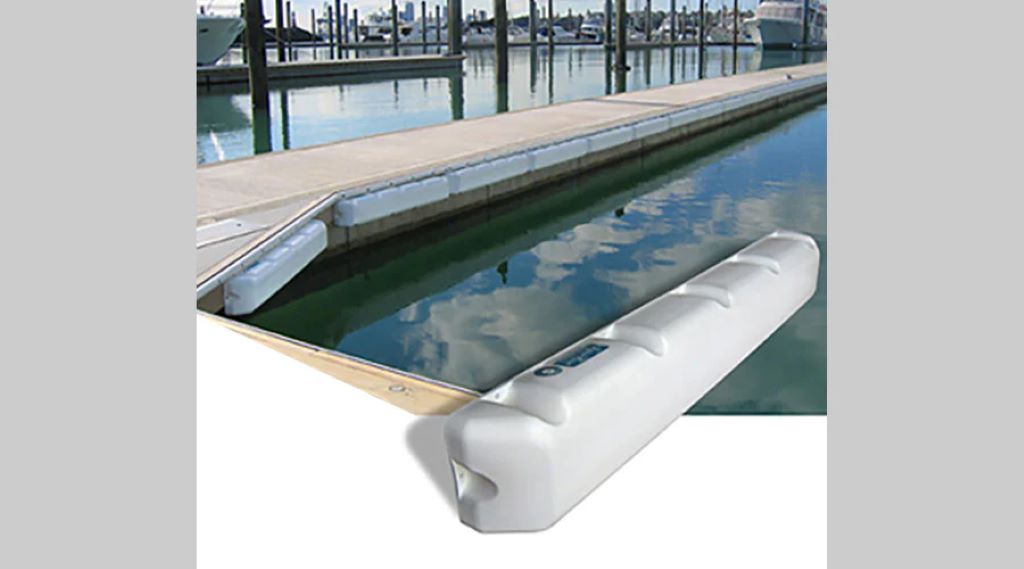
Dock bumpers and fenders are essentially shock absorbers for your boat. They are designed to cushion the impact between your vessel and the dock, preventing damage to both. While often used interchangeably, there’s a subtle difference between the two:
- Dock bumpers are typically larger and more rigid, designed to be mounted directly to the dock.
- Fenders are smaller, more flexible, and usually hung from the boat itself.
The Importance of Protection
The benefits of using dock bumpers and fenders extend beyond simply preventing scratches and dents. They also:
- Protect your investment: Boat repairs can be costly. By investing in quality dock protection, you can save money in the long run.
- Enhance docking safety: Proper fendering can help prevent accidents by providing a cushion in case of miscalculations or unexpected weather conditions.
- Increase boat lifespan: Minimizing impact damage helps to maintain your boat’s structural integrity and overall condition.
Choosing the Right Protection
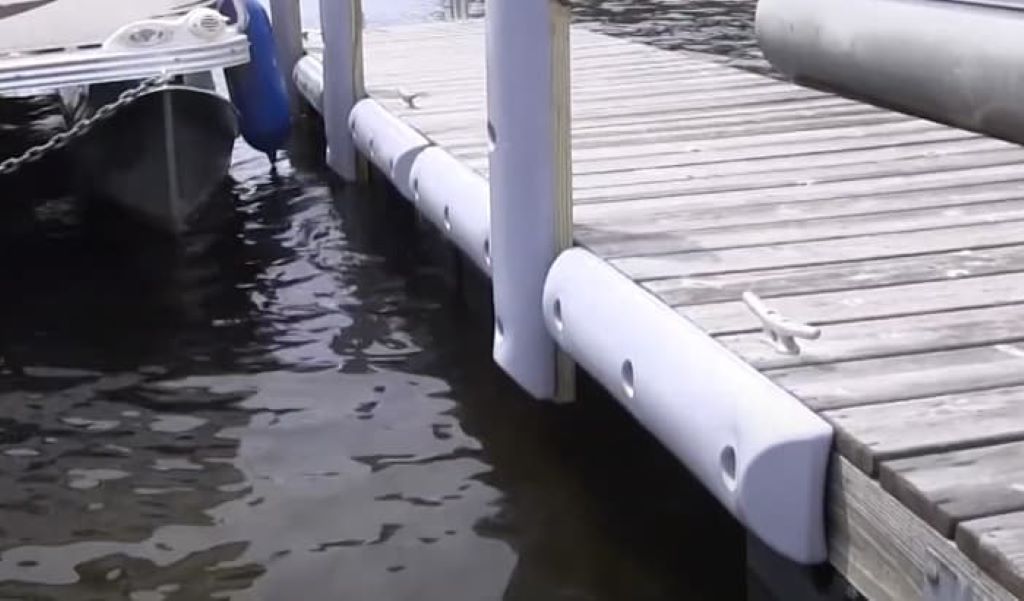
Selecting the appropriate dock bumpers and fenders depends on several factors:
- Boat size and weight: Larger boats require larger, more robust protection.
- Dock material: The type of dock material (wood, concrete, aluminum) will influence the best bumper material.
- Docking conditions: High-traffic marinas or areas with strong currents may necessitate additional protection.
- Personal preference: Some boat owners prioritize aesthetics, while others focus solely on functionality.
Types of Dock Bumpers and Fenders
There’s a wide variety of dock bumpers and fenders available, each with its strengths and weaknesses.
Dock Bumpers:
- Rubber: Offers excellent shock absorption and durability, but can be susceptible to UV damage.
- PVC: Resistant to weather and chemicals, but may be less forgiving in impact.
- Foam: Lightweight and affordable, but generally less durable than rubber or PVC.
Fenders:
- Cylindrical: Classic design, suitable for most boats.
- Ball: Offers good all-around protection.
- Wing: Provides extra protection for the boat’s corners.
- Inflatable: Versatile and space-saving.
Installation and Maintenance
Proper installation is essential for optimal performance. Dock bumpers should be securely fastened to the dock at the appropriate height. Fenders should be hung from sturdy cleat lines or dedicated fender holders.
Regular inspection and maintenance are crucial. Check for signs of wear, damage, or deterioration, and replace worn-out components promptly. Cleaning your bumpers and fenders regularly will help prolong their lifespan.
Embracing Your Inner DIYer: Beginner-Friendly Projects to Personalize Your Home
Additional Tips for Dock Protection
- Use multiple fenders: Covering a larger area provides better protection.
- Consider fender boards: These wooden or plastic boards can help distribute impact forces.
- Practice good docking techniques: Smooth and controlled docking minimizes the need for excessive fendering.
- Use dock lines correctly: Proper line management can help prevent unnecessary boat movement.
Related: Spruce Up Your Wooden Gingerbread House: DIY Decorations for a Whimsical Winter Wonderland
By understanding the importance of dock bumpers and fenders and making informed choices, you can significantly reduce the risk of damage to your boat. Investing in quality protection is a wise decision that will pay dividends for years to come. For more insights on the various parts of a dock, you might want to explore the Tcotreport review on parts of a dock.
Remember: A well-protected boat is a happy boat!